By Eric Casavant
For decades, supply chains have been powered by barcodes, radio frequency identification (RFID), and local systems. These tools provide enormous value by making goods traceable and reducing manual work. But technology has moved forward. Just as smartphones and retail point-of-sale (POS) systems transformed when they connected to the cloud, inventory tracking is now reaching the same point of change.
What Happens When Data Moves to the Cloud
The most powerful technology shifts recently have happened when data moves to the cloud.
Think about your smartphone. Its real value isn’t the device — it’s the apps. Maps, ride-hailing, payments, streaming: all of these depend on data being centralized and accessible instantly. Without the cloud, they simply wouldn’t exist.
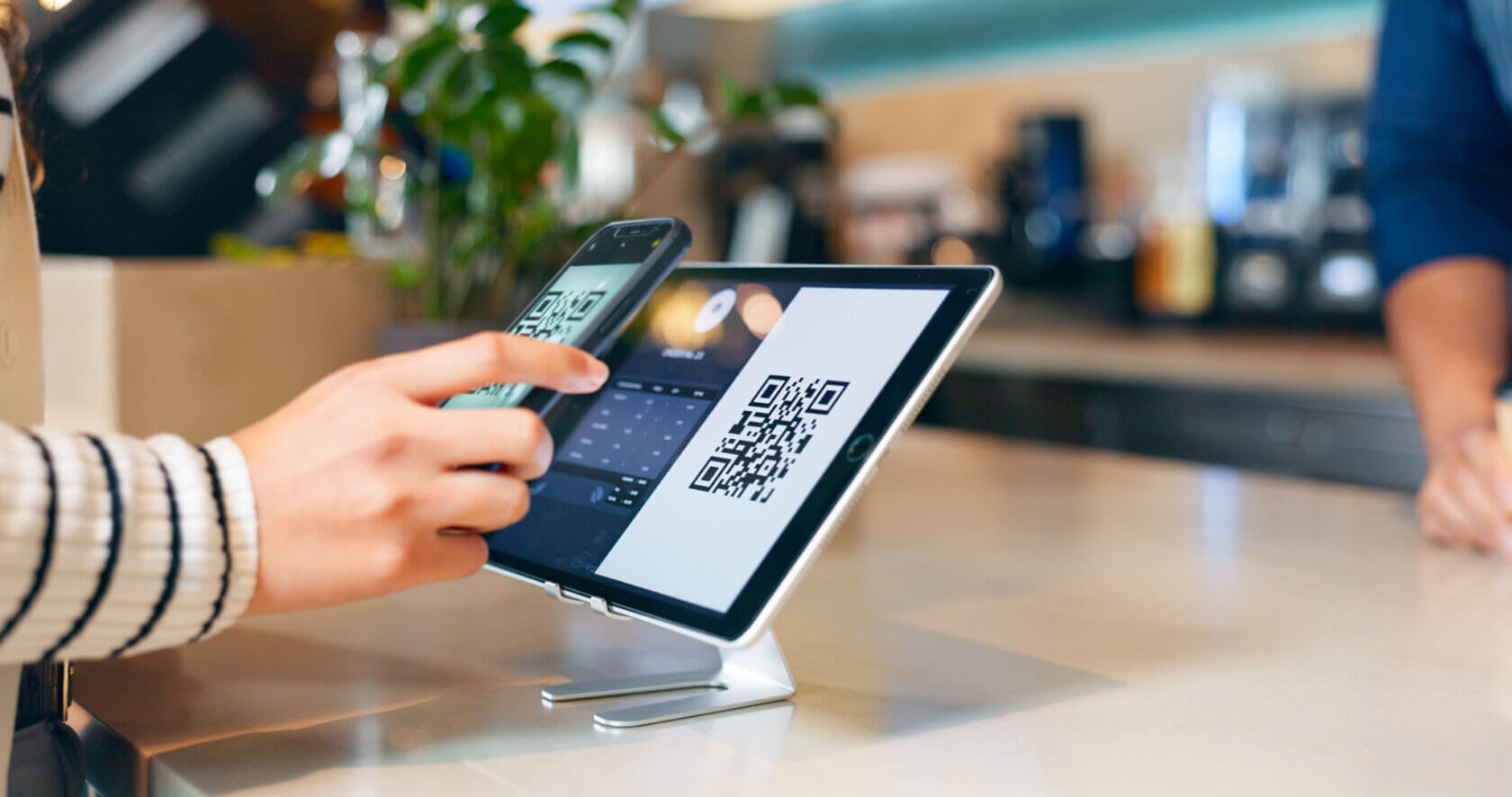
The same happened in retail POS. Local POS systems once handled transactions, but data stayed locked in each store. Forecasting and promotions lagged, and security risks were high. Moving to cloud POS didn’t just make operations smoother — it enabled entirely new services. Real-time sales data drove smarter restocking, omnichannel inventory, and buy-now-pay-later (BNPL) programs that lifted revenue for early adopters.
Once data is unified and available in the cloud, new layers of applications emerge that go well beyond the original function.
Supply Chains Are Next
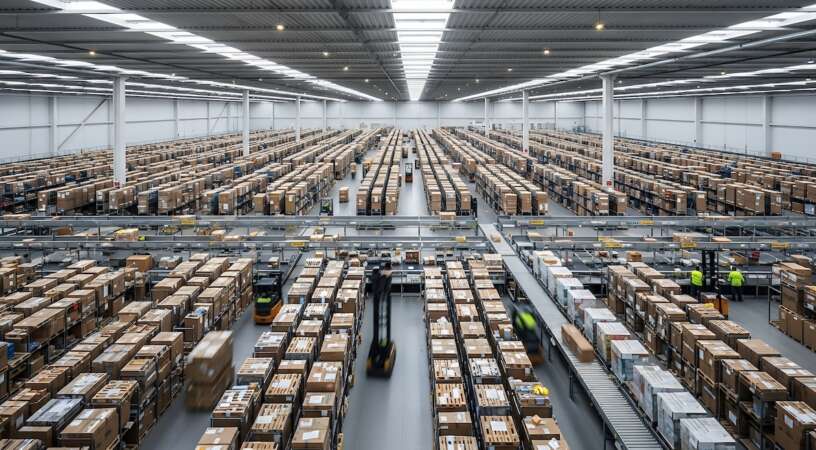
Supply chain tracking today looks a lot like a retail POS from 15 years ago: fragmented, checkpoint-based, and overly local. Scans capture moments in time, but much of what happens between them is invisible.
Moving inventory data into the cloud opens the same kind of opportunity POS unlocked. It creates a foundation for applications that can change how supply chains operate:
- Predictive replenishment: Inventory systems that anticipate shortages before they happen
- Automated compliance: Continuous monitoring of cold chain, dwell times, or First In, First Out (FIFO) adherence without manual checks
- Intelligent labor tools: Mobile apps that tell employees exactly where to go, instead of searching for assets
- Sustainability apps: Optimizing routes and asset utilization in real time to reduce fuel and carbon impact
- Loss prevention apps: Continuous visibility that flags anomalies before they become shrink
How Wiliot Fits In
At Wiliot, we’ve built the Wiliot Intelligence Platform to enable this transition.
- IoT Pixels are battery-free Bluetooth sensors that continuously stream location, temperature, and handling data without the need for scanning.
- Our Network Infrastructure uses off-the-shelf bridges and gateways (hubs) to wake up nearby IoT Pixels using radio signals, receive their data, and forward it securely to the Wiliot Cloud. This creates a continuous visibility across warehouses, trucks, and retail environments.
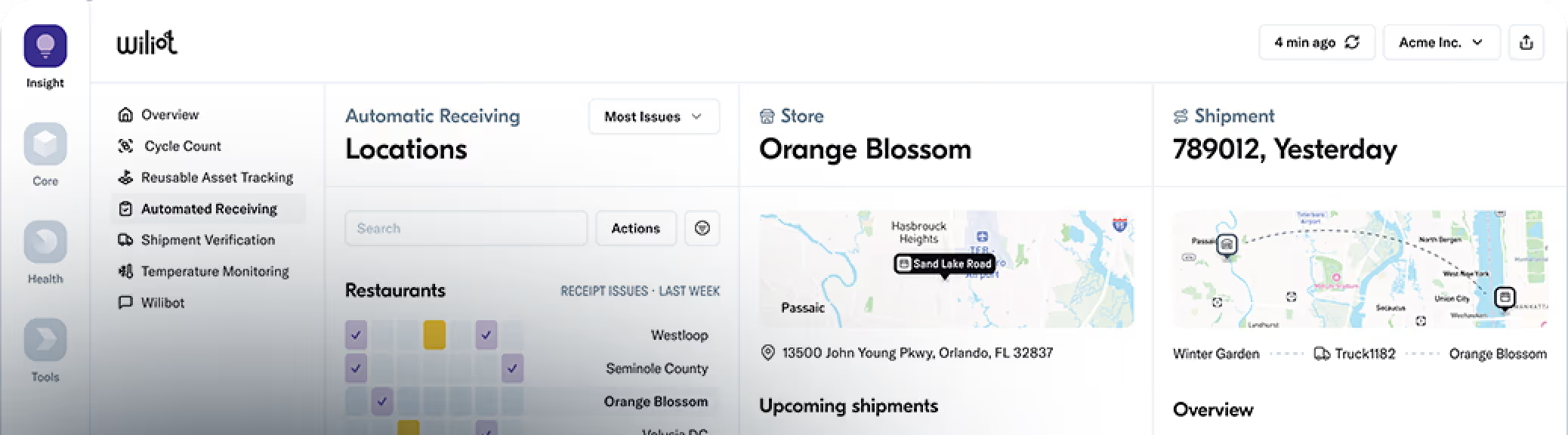
- The Wiliot Cloud is where raw sensing data is transformed into smart decisions and where our agents and specialized AI models live — providing alerts, analytics, and dashboards, along with flexible integration capabilities with Enterprise Resource Planning (ERP), Warehouse Management Systems (WMS), and Transportation Management Systems (TMS).
Because the Wiliot Intelligence Platform is cloud-first, it becomes more valuable over time. Each additional asset tracked enriches the dataset, strengthening the predictions and making new applications possible
Learning from POS
The lesson from retail POS is that centralizing data didn’t just make existing processes faster or cheaper. It unlocked an entire ecosystem of new applications that reshaped how retailers operate and serve customers.
Supply chain inventory is now on the same trajectory. The move to the cloud is not only about efficiency — it is about opening the door to applications we cannot yet fully imagine, but that will shape the next era of supply chain management.
Contact us to get started.