By industry
Real-time visibility for retail, logistics and quick-service restaurants.
→
Resources
Case studies, white papers, podcasts and the basics of Physical AI.
→
Company
The company, the people, the news and where to meet us.
→

How a global QSR chain auto-received 99.6% of every delivery

Automatic receiving replaced manual scanning in the back of house, made inventory accurate, and made every order more accurate.

Industry
Quick-service restaurants
Region
North America
Pilot
6 restaurants · 1 DC · 20,000 cases

99.6%

Of each delivery auto-received

98%

Match against manual audits

1 mo

Return on investment

Overview

A global quick-service restaurant chain used Wiliot for automatic receiving: every case delivered to a restaurant is confirmed on arrival, with no one scanning anything. The result was more accurate inventory, more accurate orders, and fewer shortages and overstocks.

The challenge

Receiving relied on staff scanning cases at the back door. It took time away from customers, and when a scan was missed the inventory record drifted from what was really in the dry store, cooler and freezer. Orders built on those numbers led to shortages on some products and overstock on others.

The pilot

Wiliot ran alongside manual scanning across 20,000 cases, 6 restaurants and 1 distribution center. Tags printed into each shipping label were read at the dock doors, then in the restaurant’s dry, cooler and freezer areas, confirming each delivery and keeping a live case count.

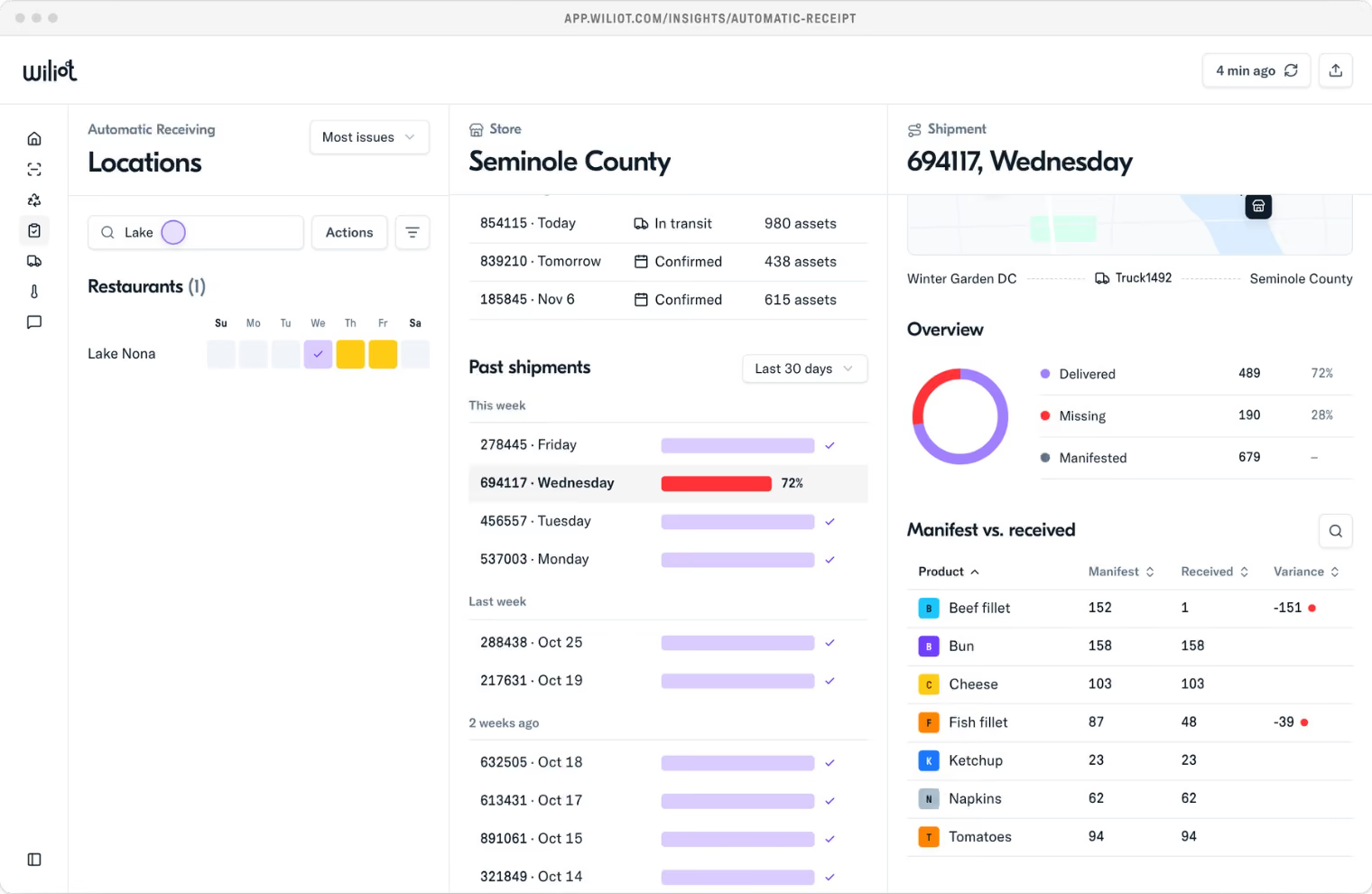
Automatic receiving in the Wiliot platform: from every location, to one store’s shipments, to a single delivery’s manifest versus received.

How it works

Four steps, and only the first one is manual.

This is some text inside of a div block.
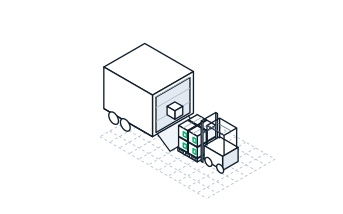
At the DC

Tagged labels print with the daily order list. The only manual step.

Read
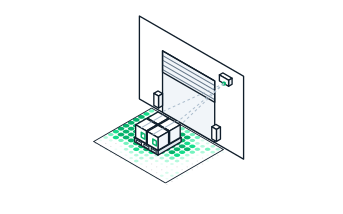
At the door

Bridges at the dock and back door read every case as it passes. Nothing to scan.

This is some text inside of a div block.
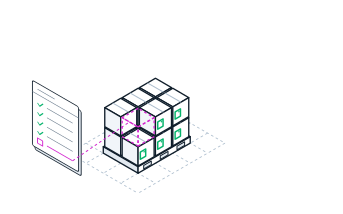
Against the manifest

Each delivery is checked against what shipped and closed or flagged within hours.

This is some text inside of a div block.
Into your systems

Case status flows into the inventory and ordering systems you already run.

From the distribution center to the restaurant’s systems, every case is a live data point.

What it enabled

One deployment, one tag per case, four applications.

Automatic receipt

Cases auto-confirmed on arrival in back of house and checked against the manifest, with no scanning. Shortages flagged before service is hit, freeing staff time for customers.

Back-of-house inventory

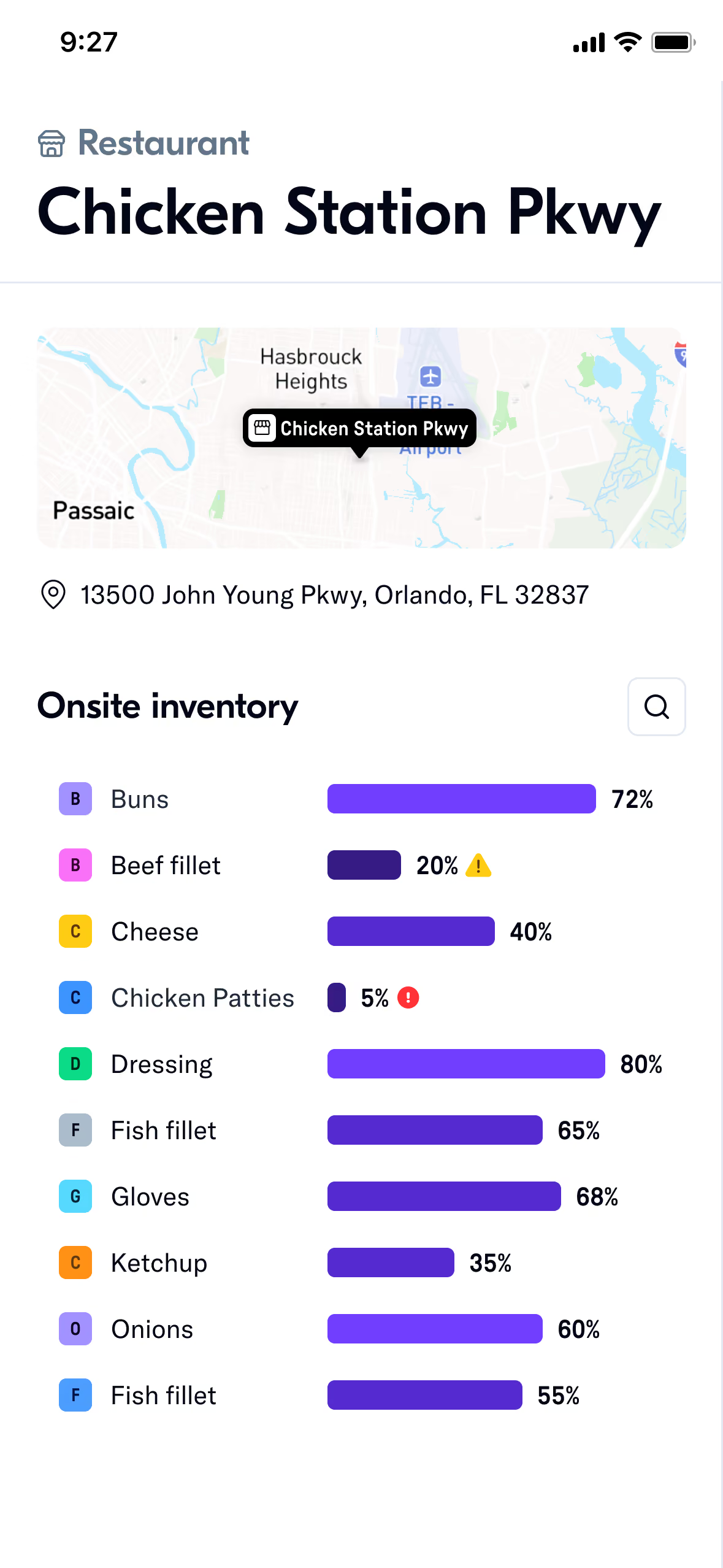
Automatic case counts by store and product across dry, cooler and freezer zones, including stock used. No manual counts and more accurate orders, cutting stockouts and over-ordering.

Cold chain and storage-zone compliance

Temperature and location of each case, including time spent outside its correct zone. Excursions caught in time, cutting food-safety risk and spoilage.

Inventory accuracy

Case-level tracking from DC to store, flagging cases sent to the wrong restaurant. Picking and loading errors caught while they can still be fixed.

Case-level tracking from DC to store, flagging cases sent to the wrong restaurant. Picking and loading errors caught while they can still be fixed.

Onsite inventory for a single restaurant on the Wiliot mobile app: every case counted by product and zone.

Results

Over the pilot, Wiliot’s counts matched the manual audits almost exactly, without anyone in the restaurant scanning a case, and each restaurant paid back its setup within a month.

99.6%

Of each delivery auto-received within 3.5 hours

98%

Match against manual audits

0

Manual scans in the restaurant

Return on investment, per restaurant

Payback

1 month

CapEx, one-time

$3,000

Recurring costs a year

$4,056

About Wiliot

Wiliot gives organizations continuous, real-time visibility into their physical operations. Battery-free IoT Pixels, thin as a sticker, turn any asset into a live data source; Wiliot Cloud turns the signals into decision-ready intelligence, shown in one place in the Physical AI Platform.

More case studies