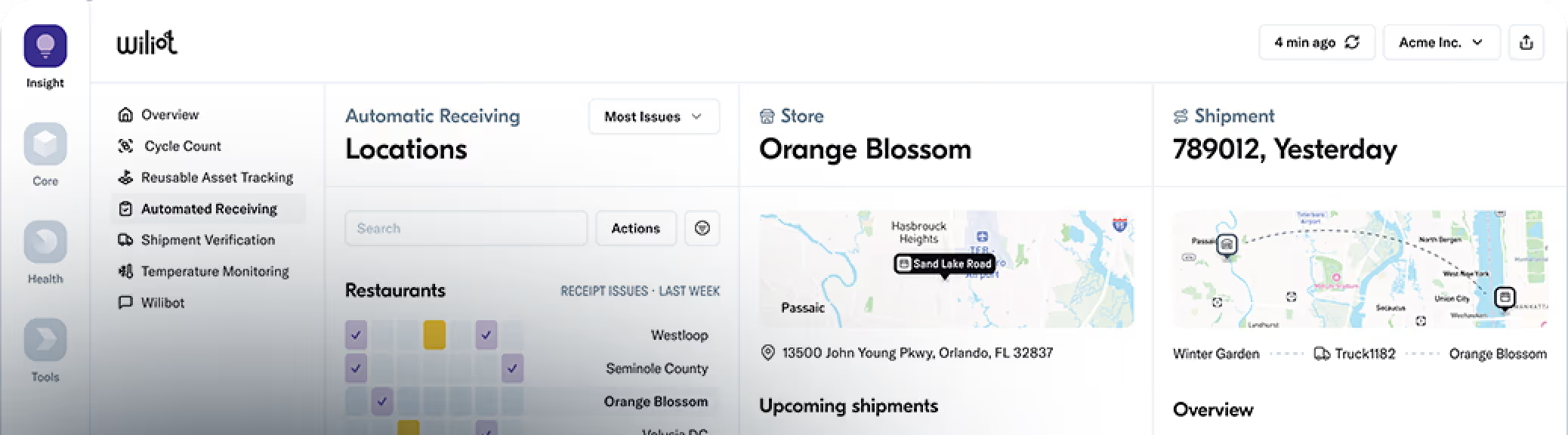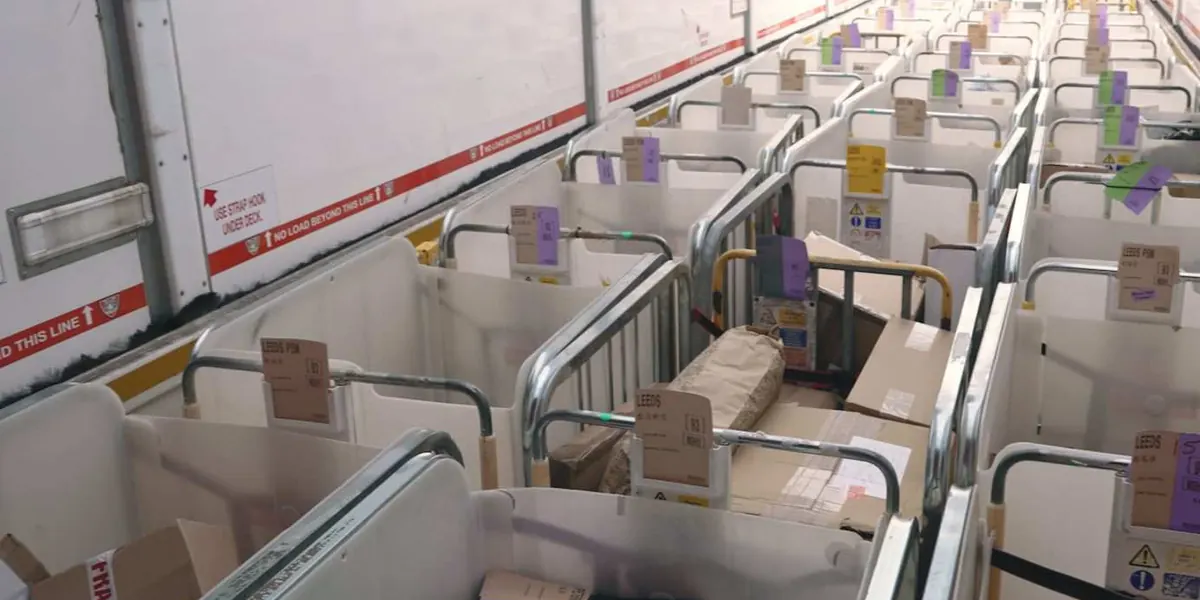






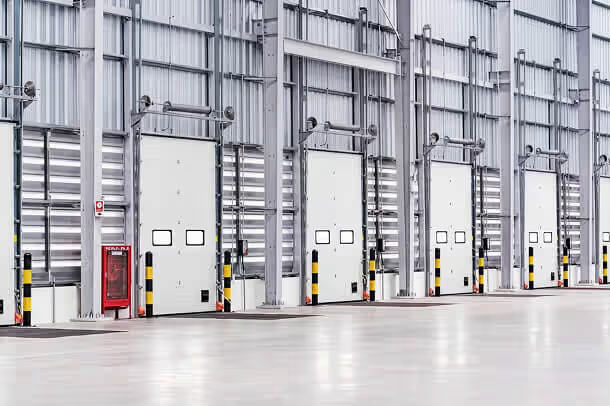







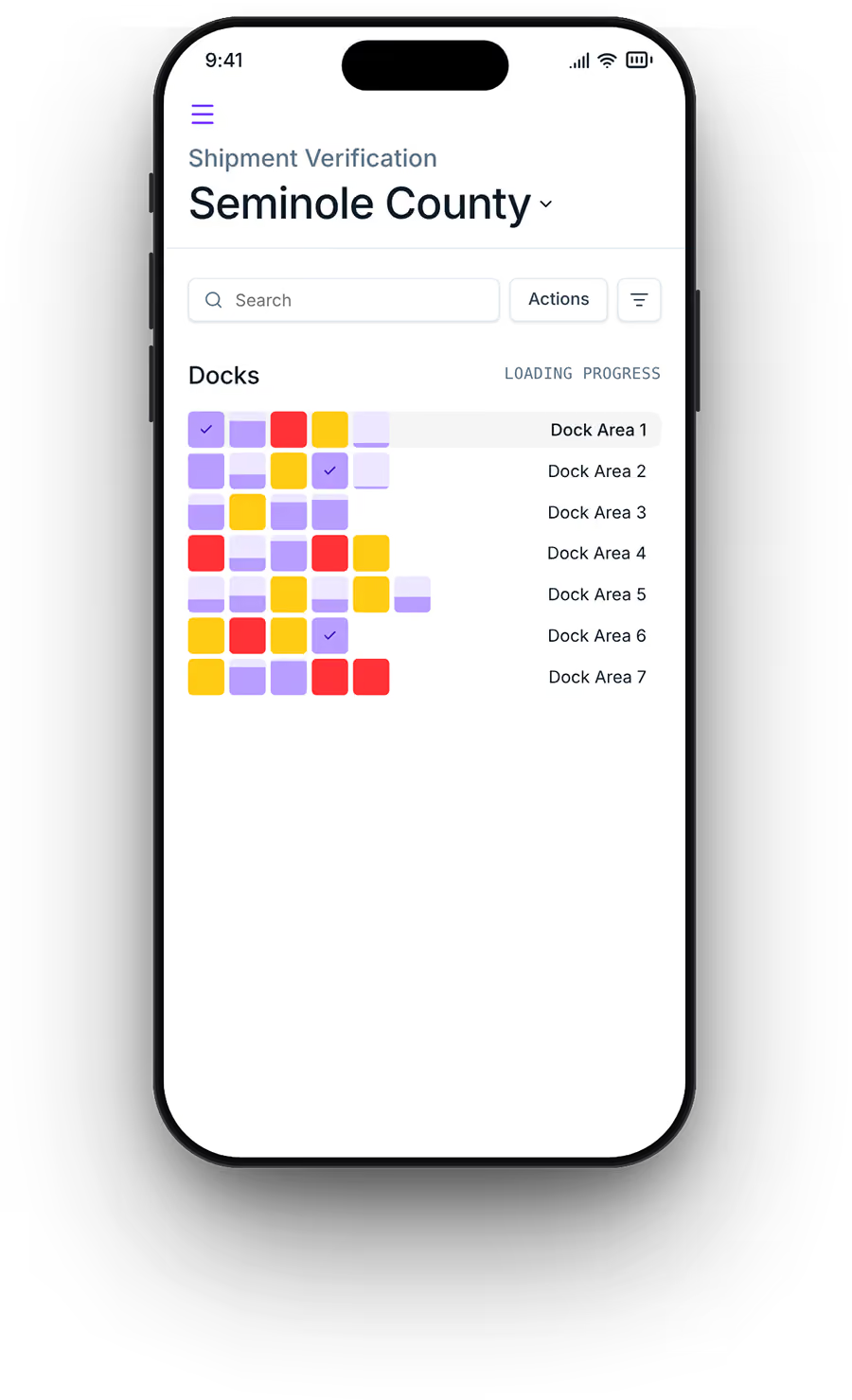
Pallets staged at every dock door are checked against the outbound order, continuously and without scanning, so wrong or missing loads are fixed before departure.
80%
Right pallet, right store
80%
Right pallet, right store
A top US grocery retailer reads every pallet as it comes off the trailer. When the wrong one is unloaded, the driver is alerted on the spot, and misdeliveries fell from several a week per store to about one a year.
See the grocery one-pager →Real-time
Instead of weeks later, downstream
Real-time
Instead of weeks later, downstream
At a Fortune 500 retailer, load errors used to surface one to three days after the trailer left. With Wiliot at every dock door, they’re caught in real time, while there’s still time to fix them.
See the retail one-pager →9,450
Verification at network scale
9,450
Verification at network scale
The same grocer runs Wiliot across 33 fresh DCs and 3,150 stores, with bridges on about 9,450 dock doors verifying loads as pallets arrive. The full network was rolled out in about 11 months.
See the grocery one-pager →1 month
Payback in weeks, not years
1 month
Payback in weeks, not years
The Fortune 500 retailer’s network-wide deployment, including dock-door load verification and missort detection, paid back in about one month.
See the retail one-pager →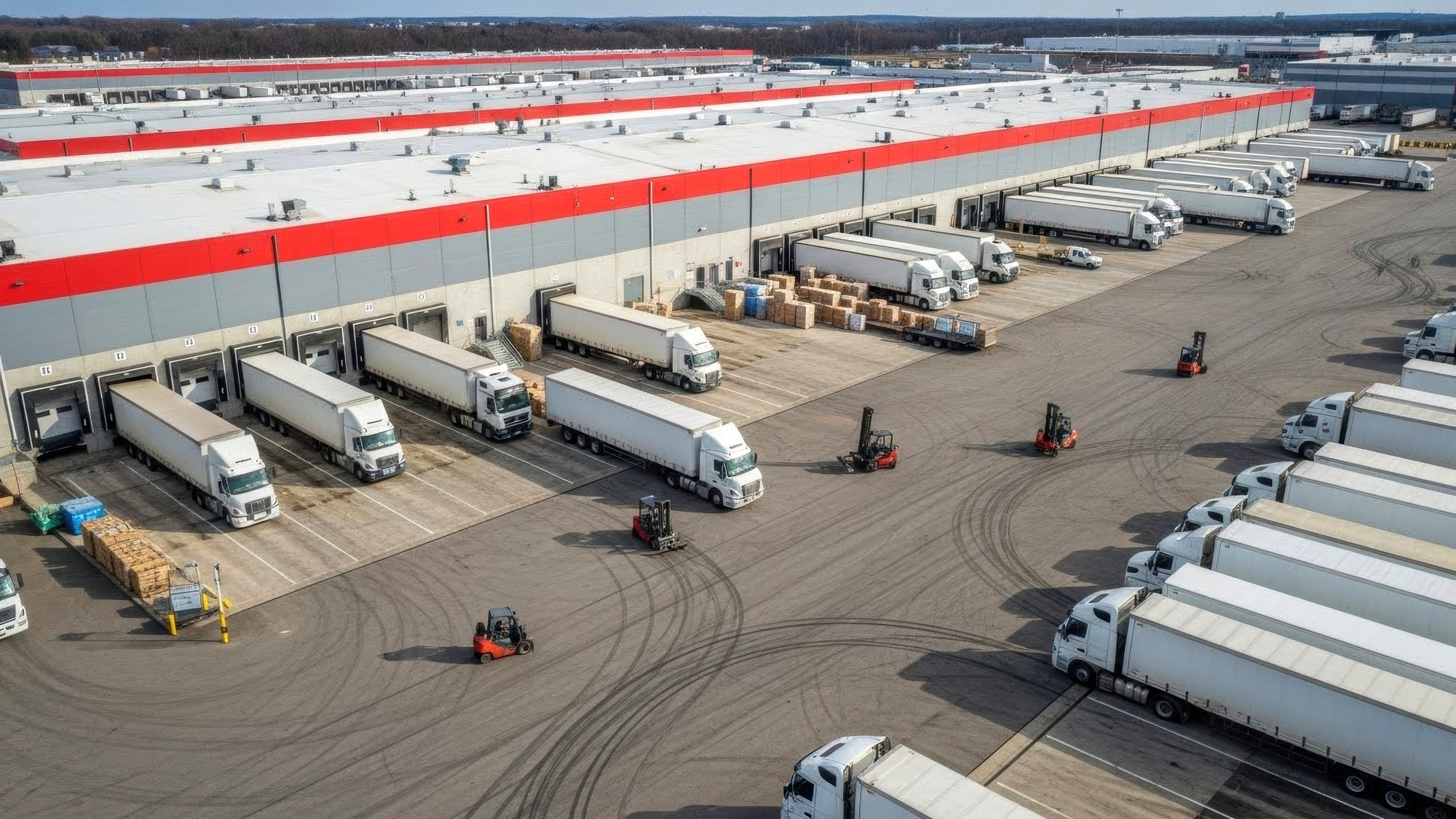
Wrong pallets, missing cases, and mixed loads usually surface at the destination, when they’re most expensive to fix.
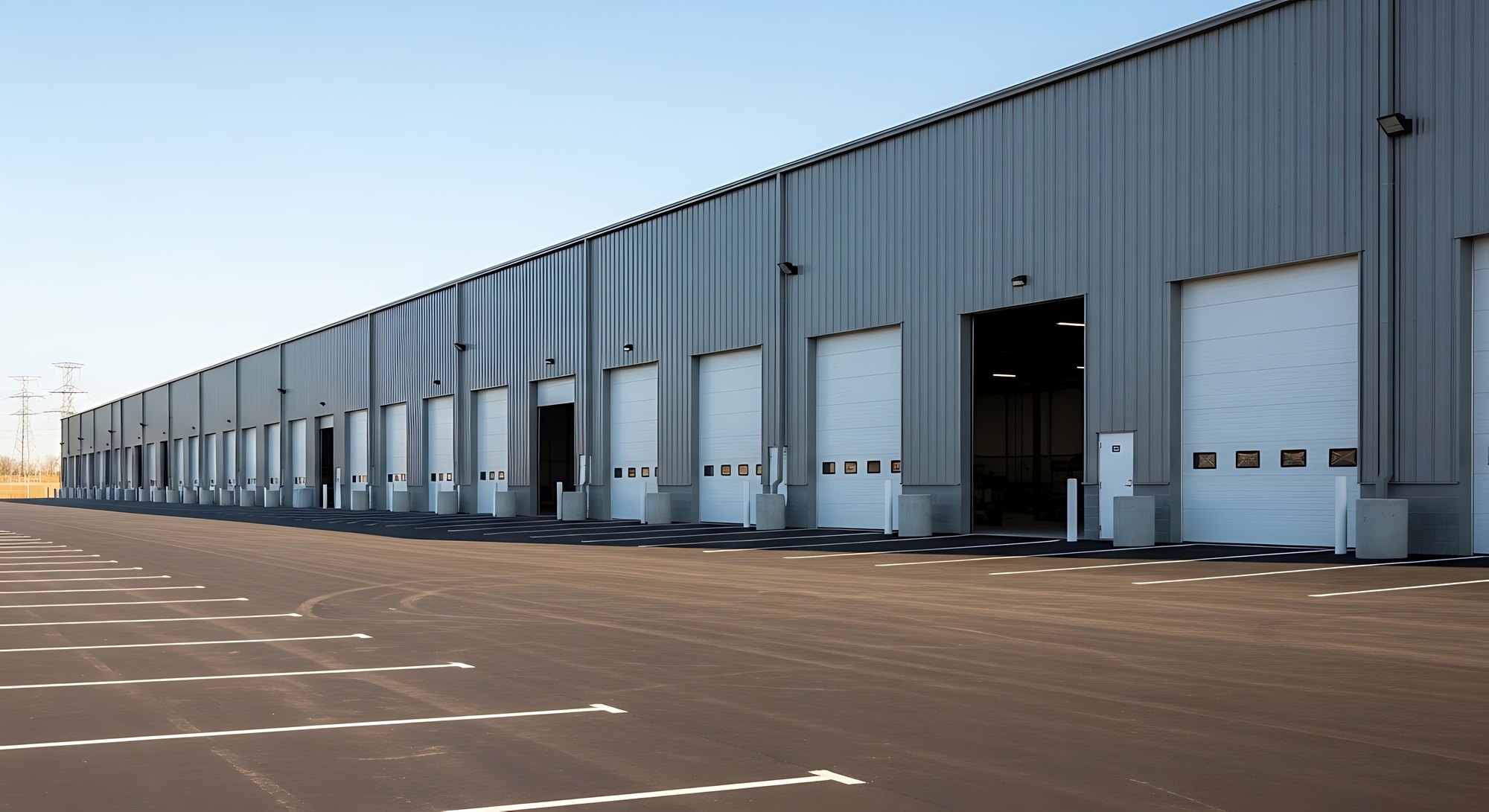
Every mis-ship can mean penalties, re-picks, emergency shipments, and a store left short.

Temperature-sensitive pallets that dwell too long at the dock lose shelf life before they ever ship.

Scanning every pallet at every door slows loading and still lets errors through at peak.
Missing and wrong cases are flagged before the truck leaves, reducing inaccurate and missing deliveries.
What physically crossed into each trailer is checked against what the system expects, so corrections happen inside the pull-time window.
When the wrong pallet comes off the trailer, the driver knows immediately, while there’s still time to adjust the delivery.
Bills of lading are generated automatically once a load is verified.



A top US grocery retailer tagged fresh pallets across distribution centers and stores with Wiliot’s IoT Pixels to analyze dwell times effectively and determine when markdown can still be prevented.
Automated shipment verification is a real-time, scan-free process that ensures outbound shipments are accurate before they leave the dock. Instead of relying on manual checks, the system continuously verifies loads at dock doors — catching errors before trucks depart and preventing costly downstream issues.
Wiliot uses battery-free IoT Pixels and dock-door infrastructure to continuously monitor pallets in staging areas. As shipments are loaded, Wiliot’s Physical AI platform verifies them against expected orders in real time, flags discrepancies within minutes, and guides corrective action before departure.
Even small mis-shipment rates (2–5%) can lead to major costs from chargebacks, expedited freight, and lost sales. Most errors are only discovered after delivery, when they are expensive and disruptive to fix. Automated shipment verification eliminates these issues by identifying errors at the dock — when they are fastest and cheapest to correct.
Automated shipment verification delivers measurable improvements, including: Up to 90% reduction in mis-shipments; Lower labor and recovery costs; Real-time error detection before departure; Improved delivery accuracy and customer trust. By preventing errors instead of reacting to them, organizations avoid costly downstream corrections and operational disruption.
Yes. By catching shipment errors before trucks leave the dock, automated shipment verification prevents the need for downstream fixes like returns, rework, and expedited freight. Since prevention is 5–10× cheaper than recovery, companies can significantly reduce or eliminate chargebacks and associated costs.
Organizations often achieve ROI in under one year by reducing mis-shipments, eliminating recovery costs, and improving labor efficiency. Real-world deployments have reduced mis-shipments by up to 90% and delivered millions in annual savings by preventing errors before they occur.
Tell us how loads leave your DCs. We’ll map your first dock door in weeks, not quarters.
Catch outbound load errors before trucks leave the dock — automatically
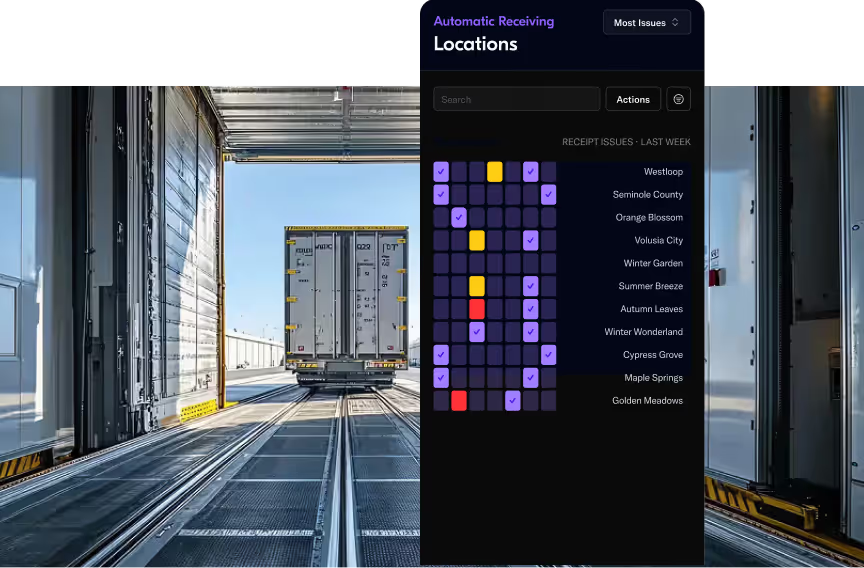
Despite manual checks and scanning processes at the dock, mis-shipments remain a persistent and costly problem. Industry data shows that 5–10% of outbound loads contain errors — wrong pallets on wrong trucks, products left behind at the dock, mixed loads destined for different locations, or temperature-sensitive goods dwelling too long outside climate control. The consequences are severe: chargebacks, expedited freight, emergency re-picks, store-level stockouts, and erosion of retailer trust. Globally, incorrect loads contribute to an estimated $40 billion in annual supply chain losses.
The core problem: errors are discovered downstream — after trucks have already departed.
Wiliot's Automated Shipment Verification solution continuously monitors pallets staged at dock doors using battery-free IoT Pixels and low-cost fixed infrastructure — identifying load errors within minutes so corrections can be made before trucks leave. Bills of lading are generated automatically, dwell times are tracked, and dock-level visibility is maintained across every door simultaneously. No manual scanning required.
The solution automatically:


Battery-free IoT Pixels on pallets broadcast continuously as product is staged at dock doors. Wiliot's fixed dock-area infrastructure captures those signals and the Physical AI platform matches staged inventory against the expected outbound manifest in real time.
When a discrepancy is detected — a wrong pallet, a missing case, a mixed-destination load — the system alerts dock supervisors immediately with specific, actionable information. Bills of lading are generated automatically once a load is verified, and all data is synchronized with your TMS or WMS via cloud-to-cloud integration.

Challenge: High-volume perishable shipping with strict temperature compliance and tight delivery windows
Outcome: Significant reduction in wrong loads; 90%+ reduction in temperature violations at the dock

Challenge: Managing outbound shipments for multiple clients with strict SLA requirements and chargeback exposure
Outcome: Significant improvement in on-time delivery accuracy; measurable reduction in client chargebacks

Challenge: Shipping mixed-SKU pallets to hundreds of stores with zero tolerance for wrong-store deliveries
Outcome: Millions in annual savings from reduced mis-ships; faster dock throughput from eliminated re-picks

Challenge: Delivering exact, complete orders to thousands of locations where any shortage disrupts service
Outcome: Labor savings from eliminating delivery corrections; improved operator confidence in inbound accuracy
Wiliot's Automated Shipment Verification solution is designed for fast, scalable deployment across dock environments of any size.

System live in weeks; measurable value typically within 60–90 days of deployment.

Low-voltage contractors install using Wiliot-provided blueprints. Major system integrators are also certified for enterprise-scale deployments.

Add dock doors incrementally without system re-architecture. Scales from a single facility to an enterprise-wide network.

Seamless cloud-to-cloud (C2C) data transfer into your existing TMS, WMS, or ERP. SDK and open APIs available for custom workflows and automated BOL generation.