Reusable Transport Packaging (RTP) Tracking in Supply Chains

Introduction to Reusable Transport Packaging (RTP)

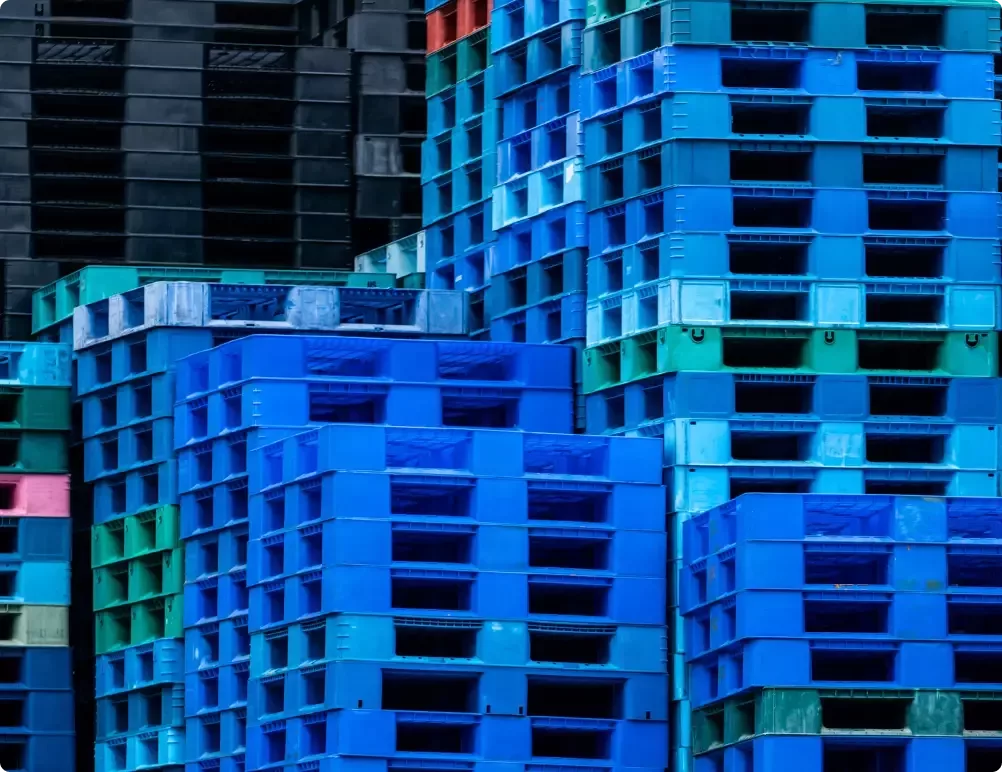
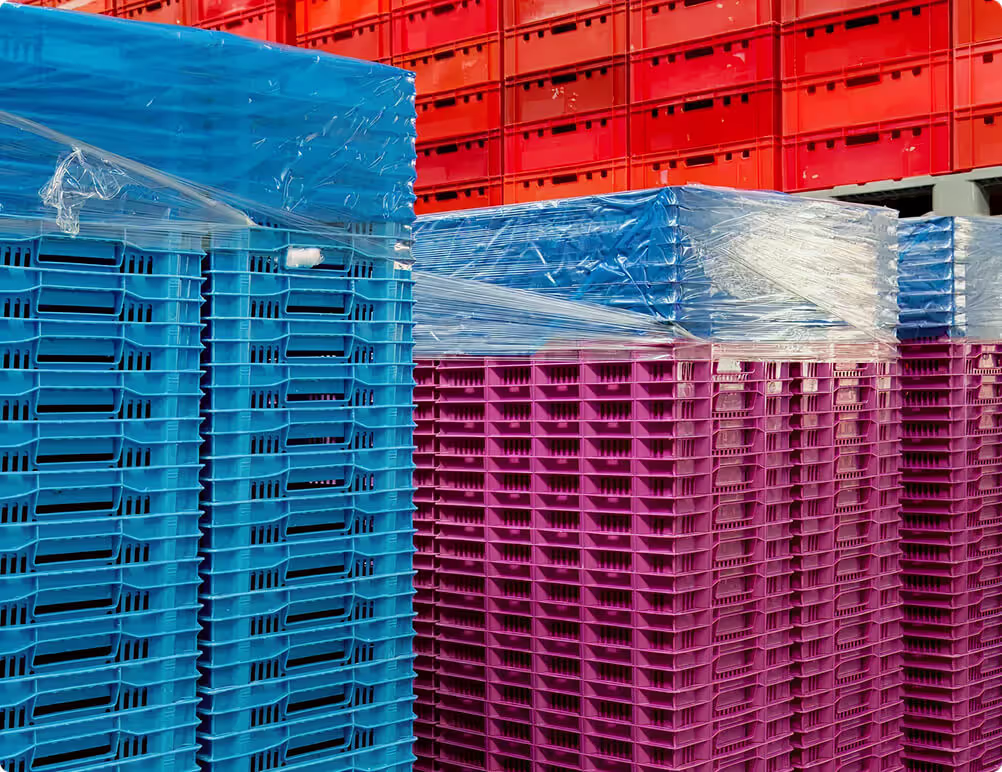
Reusable Transport Packaging (RTP) refers to durable packaging materials, such as pallets, containers, totes, and dunnage, that are designed for multiple uses in a supply chain. These items can be used many times over an extended lifespan, unlike single-use packaging. RTP offers numerous benefits to businesses as an essential component of a circular economy.Common examples include reusable plastic pallets, robust plastic shipping containers, metal rolling cages, and stackable totes used to move products between facilities.

Tracking RTP is crucial in realizing its potential benefits. Organizations need visibility to manage a pool of returnable pallets and containers efficiently. Without effective tracking, reusable assets can be lost, underutilized, or misused, resulting in expensive replacement costs which undermines their benefits.

Examples of issues caused by ineffective tracking include added costs for replacing lost or overused assets, increased labor when trying to locate missing assets, and potential line-down situations when a site runs out of assets, which can cause shipments to halt until more assets are found.

RTP tracking is vital for maintaining a dependable supply chain tracking practice. Tracking ensures you always know where your packaging assets are and that they return for reuse. Effective tracking improves operational efficiency by having the right container in the right place when needed. The practice also supports sustainability goals by maximizing reuse cycles and preventing losses. In short, tracking transforms reusable packaging into a truly strategic asset that works for you, rather than a potential liability.

Challenges of Tracking Reusable
Transport Packaging

For all its benefits, reusable transport packaging introduces a new set of operational demands—chief among them is visibility. Without a reliable system for tracking pallets, totes, racks, and carts as they move through the supply chain, the promise of cost savings and sustainability can quickly unravel.

Below are the most common challenges companies face when managing RTP visibility at scale.

Lack of traceability and transparency

One of the biggest hurdles in managing RTP is the lack of real-time visibility. Many companies struggle to answer basic questions like: Where are my containers? How many are in circulation? Which ones are overdue or stranded?

When organizations can’t track the movement of their RTP assets, inefficiencies start to accumulate. Shipments are delayed while teams wait for missing containers. Emergency replacements are rushed in—at higher cost. Equipment sits idle. And in some cases, companies fall back on expendable packaging just to keep goods moving.

It’s not just internal operations that suffer. In shared supply chains, the absence of traceability often means partners don’t prioritize returning your packaging promptly. With no system of accountability, assets disappear into a black hole. What starts as a visibility problem turns into a systemic one—affecting delivery speed, sustainability goals, and budget.

Asset shrinkage

Loss is perhaps the most visible—and costly—consequence of poor RTP tracking. Containers go missing in warehouses, during transit, or after delivery. Sometimes they’re stolen; more often, they’re simply forgotten, reused for other purposes, or discarded. One report estimates that $800 million to $1.5 billion worth of containers go missing each year.

For businesses, this shrinkage shows up in the form of recurring replacement costs, unplanned capital expenditures, and supply chain slowdowns.

When a critical asset like a pallet or crate isn’t available where it’s needed, products don’t move. That often means missed shelf availability, lost sales, and wasted labor waiting for containers to arrive.

Manual tracking inefficiencies

Despite the growing scale and value of reusable packaging programs, many organizations still rely on outdated tracking methods: spreadsheets, handwritten logs, or informal word-of-mouth systems. These manual approaches may suffice at small volumes, but they quickly become unreliable as asset fleets grow.

The issues are familiar—data entry errors, mismatched records, and containers that “go missing” simply because no one wrote them down. Without an automated tracking system, teams spend time hunting for lost inventory or auditing reports instead of focusing on moving goods efficiently.

More importantly, manual tracking systems offer no real-time insight. You only know where something is after someone tells you—and often, that’s too late to take meaningful action. As volume increases, the margin for error grows wider, driving up labor costs, reducing productivity, and undermining the whole purpose of adopting reusable packaging in the first place.

RTP Tracking Technologies and Tools

Tracking reusable transport packaging (RTP) effectively requires the right mix of technologies—balancing cost, accuracy, and scalability. From simple scan-based systems to fully automated, real-time location networks, businesses now have more options than ever to turn reusable packaging into visible, manageable assets.

Below, we explore the main tracking approaches used across the industry today.

Scan-based asset tracking systems

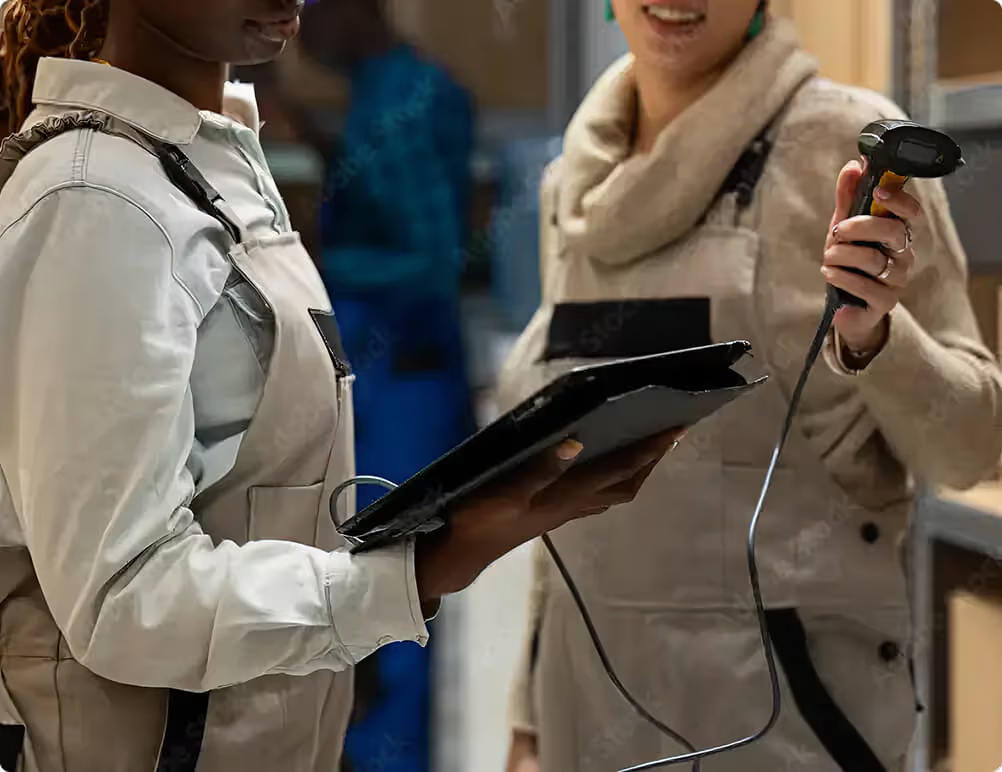
The most widely used method for RTP tracking starts with tags—typically RFID, QR codes, or barcodes—affixed to pallets, containers, or other reusable assets. These tags are scanned at specific points in the supply chain using handheld devices or chokepoint readers like RFID portals.

Every scan provides a snapshot: confirming an item’s presence, logging its location, and updating inventory systems. While this approach offers basic traceability, it’s limited to when and where scans occur. Assets that go unscanned, or are incorrectly scanned, remain invisible, and the system provides no insight between checkpoints.

Some companies also use passive indicators like “Return to” labels to prompt behavior, but these methods rely even further on manual compliance and don’t contribute to automated tracking.

Asset shrinkage

To achieve real-time visibility, many organizations equip high-value RTP assets with active tracking devices—such as Bluetooth Low Energy (BLE) beacons or GPS-enabled trackers. These devices periodically broadcast location data, giving operators a much more detailed picture of where assets are, whether inside a warehouse or in transit.

Inside facilities, fixed sensor networks using BLE gateways or ultra-wideband (UWB) can locate and track tagged pallets as they move across zones. This setup supports Real-Time Location Systems (RTLS), which enable fast search, automated inventory counts, and route mapping.

For outdoor or cross-regional tracking, GPS and cellular IoT devices mounted on containers provide broader geolocation data at regular intervals.

While these systems offer more precise tracking than scan-based solutions, they come with tradeoffs—especially device cost and maintenance. Battery-powered devices must be charged or replaced regularly, making both the devices and the labor to support them expensive to deploy at scale.

Ambient IoT for reusable packaging management (Wiliot)

Ambient IoT introduces a new paradigm for RTP tracking—combining the real-time accuracy of active tracking with the low cost and simplicity of passive systems.

At the core of this approach are Wiliot IoT Pixels: battery-free, Bluetooth-enabled tags that draw energy from ambient radio waves. These tiny, self-powered devices continuously transmit data about their location, temperature, humidity, and more—transforming everyday containers into “smart” assets.

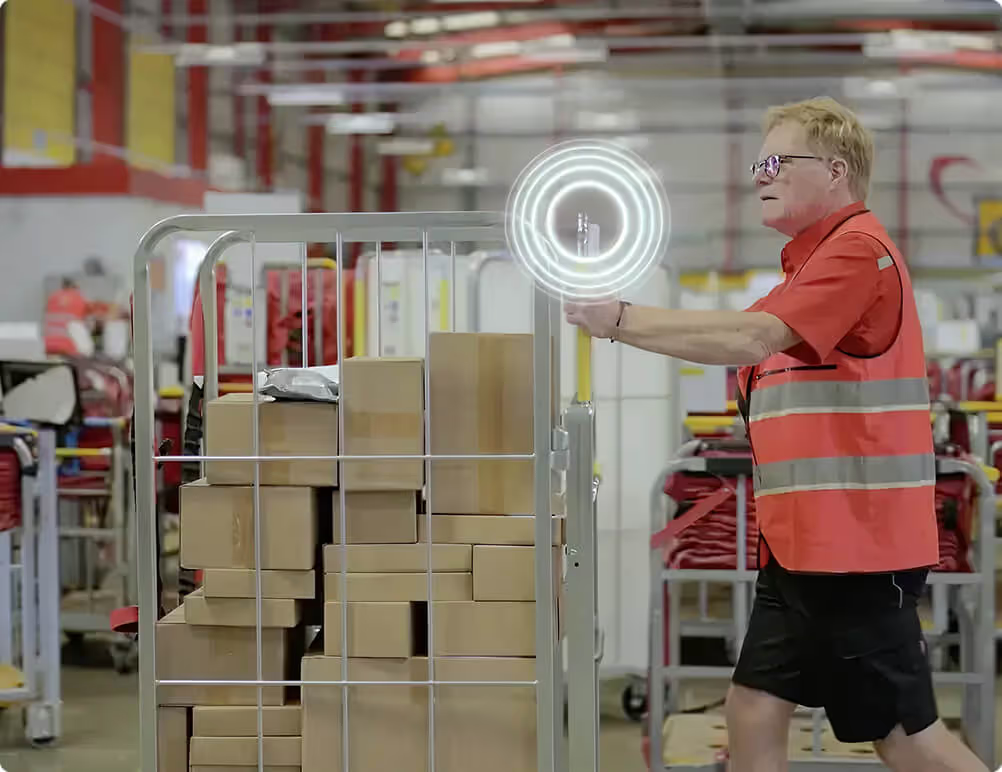
Using standard wireless infrastructure (like Wi-Fi, cellular, or BLE), Wiliot’s solution eliminates the need for scans or battery management. Every pallet, tote, or roll cage essentially becomes self-reporting—broadcasting its status as it moves through the supply chain.

These IoT-driven systems essentially create “smart” pallets and containers that announce their whereabouts, significantly reducing the chance of loss and adding additional benefits such as dynamic inventory visibility, asset-level cold chain monitoring, and improved workflow adherence.

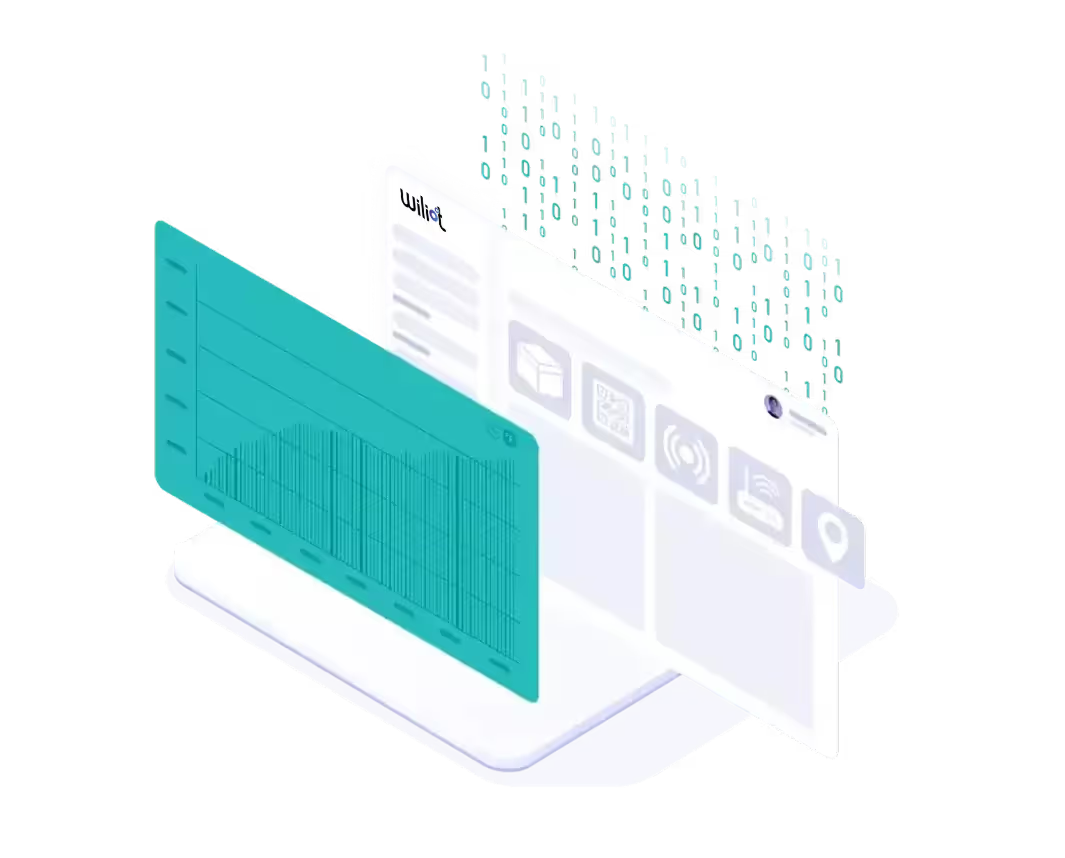
The Wiliot Intelligence Platform aggregates tag and device data to provide a unified interface for managing and monitoring RTP assets. Users receive dynamic maps that show the location of each asset, the number of assets in each area, alerts for delays or low asset inventories, and analytics on utilization rates. Crucially, this data can be integrated directly into supply chain platforms like Transportation Management Systems (TMS) and Warehouse Management Systems (WMS). By connecting RTP data with product and logistics workflows, businesses gain end-to-end traceability and better decision-making tools across operations.

Role of RTP Tracking in
Supply Chain Optimization

Tracking reusable transport packaging isn’t just about preventing loss—it’s a strategic capability that can transform how supply chains operate. When companies have continuous visibility into their reusable assets, they unlock a wide range of benefits that strengthen performance, reduce costs, and improve compliance.

1

Enhancing transparency and traceability

RTP tracking gives companies real-time insight into the movement of not only products, but the packaging that carries them. Each tagged container creates a data trail as it moves through the supply chain—revealing where it’s been, when it arrived, and whether it reached the right location.

This level of traceability helps ensure that the right goods arrive at the right place, on time. It also reduces the risk of delivery disputes. If an issue arises—such as a misrouted shipment—managers can pinpoint exactly which pallet or tote was involved and where the breakdown occurred.

By extending traceability beyond trucks and trailers to the container level, RTP tracking provides a more complete view of product journeys, helping support quality control, root cause analysis, and compliance reporting across complex networks.

2

Improving supply chain resiliency

A reliable supply chain depends on having the right assets available when and where they’re needed. RTP tracking helps make that possible.

When companies know the exact count and location of their reusable containers, they can avoid costly disruptions—like halting production because a pallet is missing, or delaying a shipment because returnable totes haven’t cycled back in time.

Tracking also reduces the need for buffer stock. Businesses no longer need to over-purchase containers “just in case” because they can see in real time which assets are returning and when. This leads to leaner operations, better working capital efficiency, and improved customer service levels—ensuring shelves stay stocked and deliveries stay on schedule.

3

Enabling real-time transportation visibility

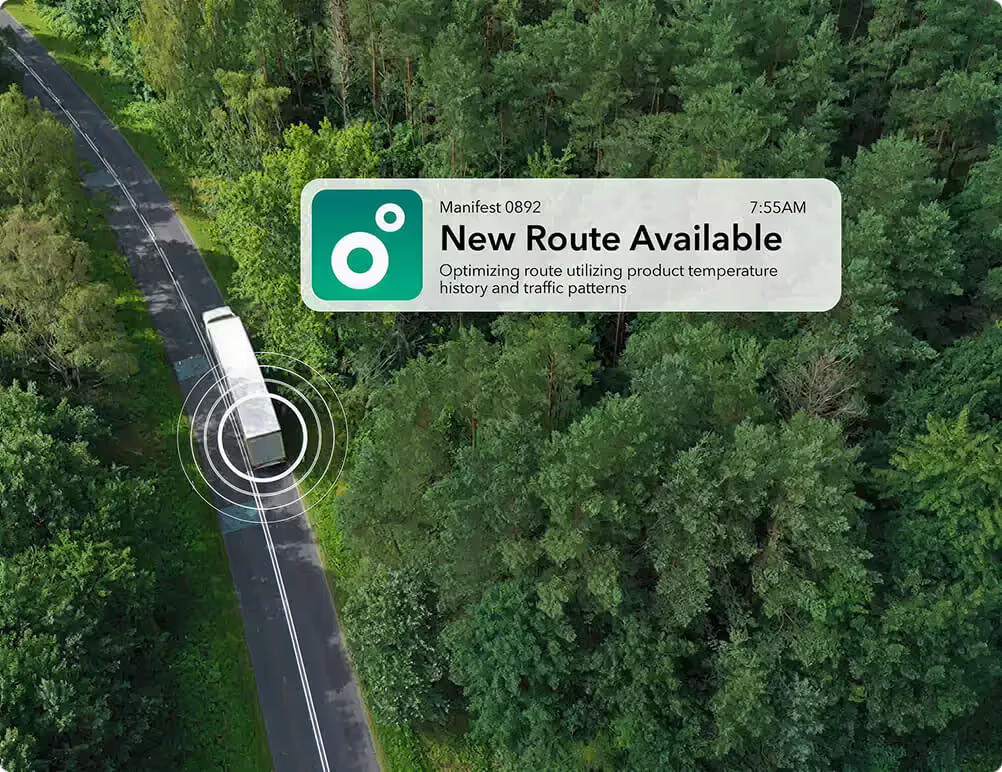
RTP tracking is an essential part of achieving real-time transportation visibility for logistics operations. Today’s shippers aim to know, in real-time, where their goods are during transit, in order to more accurately anticipate delivery and confirm the right products made it to the right destination. By associating RTP to the shipment it holds, both the packaging and its contents can be monitored together from the time a tracked pallet, tote, or roll cage is loaded onto a vehicle until it leaves the distribution network.

Logistics managers receive live updates on location, which they can share with carriers and customers. This real-time insight allows proactive intervention, such as rerouting and informing customers of delays. Visibility also enables tighter control over the supply chain, as companies can verify that the right items end up in the right places at the correct times. It effectively extends the concept of supply chain tracing to include transport packaging, not just the products, providing a more granular and complete picture of transportation movements.

4

Supporting regulatory compliance and quality assurance

In industries like pharmaceuticals, food, and consumer goods, tracking reusable packaging isn’t just a best practice—it’s often a regulatory requirement.

Pharmaceutical supply chains, for example, must document the full chain of custody for active ingredients and the containers that carry them. In the food sector, compliance with FSMA Rule 204 requires detailed traceability records for specific items listed on the FDA’s Food Traceability List.

RTP tracking systems help companies meet these obligations by automatically capturing the location, handling history, and environmental conditions of each reusable asset. These systems generate digital audit trails that are far more reliable—and scalable—than manual logs.

The need for traceability also extends beyond product quality. Financial and environmental regulations increasingly require companies to account for the physical assets on their balance sheets. If a business owns millions of dollars’ worth of RTP, it must know where those assets are and how they’re being used. Modern tracking platforms provide the data needed for transparent, auditable reporting.

5

Enabling cold chain monitoring

Ambient IoT-based RTP Tracking solutions, such as Wiliot, unlock a whole new degree of temperature compliance tracking thanks to unique temperature sensing for each asset. While in the past, cold chain monitoring was done using a single temperature logger for an entire truck, shippers can now view temperature data at the individual asset level, enabling the identification of temperature excursions with greater granularity. This capability means that at-risk products are identified down to the asset level, saving the rest of the truck from being wasted, and detecting temperature excursions that would otherwise go unnoticed, resulting in severe quality degradation. For highly regulated industries such as Food & Beverage or Pharmaceuticals, where temperature control is non-negotiable, this level of precision is a critical advantage.

6

Integrating with supply chain management systems

RTP tracking becomes even more powerful when it’s connected to broader systems for inventory, production, and logistics management.

By feeding live asset data into platforms like a Transportation Management System (TMS) or Warehouse Management System (WMS), businesses can optimize asset flow in real time. For example, if returnable containers are consistently delayed at a specific location, the system flags the bottleneck, allowing planners to intervene or adjust routes.

Tracking data can also inform production planning. If reusable totes are cycling back slower than usual, manufacturing schedules can be adjusted proactively. Over time, this visibility supports continuous improvement by identifying inefficiencies, reallocating underutilized assets, and reducing overordering.

When fully integrated, RTP tracking is not a standalone function—it becomes a key component of agile, data-driven supply chain operations.

Industry Applications

Ambient IoT-based tracking is transforming how industries manage reusable transport packaging—bringing real-time visibility, automation, and intelligence to assets that were once offline. From retail to automotive, Wiliot’s platform is helping companies reduce loss, improve accountability, and optimize the movement of goods like never before.

Here’s how different sectors are using Wiliot-powered RTP tracking to modernize their operations.

Retail

Retailers—especially in grocery and convenience—rely heavily on RTPs like bins, crates, and roll cages to move high-turnover, perishable inventory. Wiliot’s solution provides retailers with live data on the location and condition of these assets across their networks.

This visibility helps reduce shrinkage, automate replenishment, and ensure products arrive fresher and faster. With real-time tracking, teams can quickly identify where containers are being delayed, misused, or underutilized—making the system more responsive and cost-effective at every level.

Food Manufacturing

For food manufacturers, reusable packaging is essential for transporting finished goods from processing centers to warehouses and retail distribution points. Wiliot’s Intelligence Platform adds a layer of automation and traceability to this critical workflow.

By digitizing RTP tracking, manufacturers gain instant access to location data, usage rates, and rotation timing. The platform streamlines chain-of-custody verification and cuts down on manual tracking labor—helping to maintain product quality while improving asset control and reducing operating costs.

Logistics

Third-party logistics companies (3PLs) depend on reusable containers to keep goods moving efficiently between partners, warehouses, and retail endpoints. With Wiliot, 3PLs gain continuous visibility into RTP flow—tracking dwell times, movement patterns, and return cycles.

This real-time insight helps reduce shrinkage, improve asset turn rates, and ensure packaging is available where it’s needed. The result: better customer service, fewer delays, and more efficient allocation of reusable containers across the network.

Quick Service Restaurants
(QSRs)

QSR chains operate on rapid, recurring deliveries of perishable inventory, typically packed in reusable crates. Wiliot’s tracking solution allows these businesses to monitor deliveries to each restaurant location, verify timely returns, and measure in-transit temperature conditions for each asset.

By creating end-to-end visibility across the cold chain, QSRs can prevent spoilage, streamline deliveries, and improve supplier accountability—all while meeting internal standards for freshness and safety.

Pharmaceuticals

In pharmaceutical supply chains, where regulatory oversight and product integrity are non-negotiable, RTPs often carry temperature-sensitive, high-value materials. Wiliot enables real-time monitoring of both asset location and environmental conditions, such as temperature and handling anomalies.

This granular tracking supports compliance with Good Manufacturing Practices (GMP), simplifies recall execution, and ensures the safe, documented delivery of critical medications and raw ingredients.

Automotive

Automotive manufacturers and suppliers move thousands of reusable racks, trays, and bins daily—many of which are customized and expensive. Misplacing even a small percentage can lead to costly delays or inventory shortages on the production line.

Wiliot’s system enables companies to track RTP movement across plants, suppliers, and transport routes. This reduces idle inventory, accelerates container returns, and helps maintain uninterrupted production. Over time, manufacturers reduce capital tied up in packaging and improve ROI on these specialized assets.

Implementation
Considerations

The following considerations are essential for ensuring a scalable, cost-effective, and future-proof RTP Tracking implementation.

Selecting the right tracking solution

Not all tracking technologies are built for the scale and complexity of modern RTP systems. Ambient IoT-based platforms—like Wiliot’s—stand out for their unique combination of low-cost hardware, battery-free operation, and continuous visibility without manual scanning. This is in contrast to traditional scan-based systems like barcodes or RFID tags, which have added labor or device costs.

Wiliot’s Intelligence Platform adapts to your operation—whether you're tracking a few thousand totes inside a distribution center or managing hundreds of thousands of assets across a global network. The platform supports both indoor and in-transit tracking, and scales to match the value and sensitivity of the goods being moved.

Integration with existing systems

To maximize the value of RTP tracking, integration with your broader supply chain stack is critical. Tracking systems should feed data into Enterprise Resource Planning (ERP), Warehouse Management Systems (WMS), Transportation Management Systems (TMS), or any traceability platforms already in place.

Choosing a platform with open APIs, pre-built integrations, or middleware compatibility can accelerate deployment. If you work with suppliers, 3PLs, or retailers, you may also need a shared platform or data exchange protocol to ensure visibility is extended across the entire value chain.

Cost-benefit and ROI analysis

Every RTP tracking program starts with an upfront investment—tags, readers, software licenses, integration, and potentially infrastructure upgrades. To make the business case clear, companies should quantify the cost of doing nothing: how much is currently being lost to asset shrinkage, labor inefficiencies, or missed deliveries?

Then, compare that to the value unlocked through automation, faster asset turns, fewer replacements, and stronger service levels. Don't overlook indirect benefits, such as reduced safety stock, faster audits, and improved customer satisfaction from better delivery accuracy.

A proven approach is to start with a pilot project—tracking a specific asset type, route, or region—then use real data to validate ROI before scaling. Many Wiliot customers follow this path, allowing them to tailor the solution to their operation while minimizing risk.

Data management and interoperability

RTP tracking systems generate large volumes of data—location pings, condition updates, sensor readings. To make that data useful, companies need a framework for collecting, storing, analyzing, and sharing it across internal and external systems.

Look for platforms that support industry standards, like EPCIS (Electronic Product Code Information Services) for event-based tracking, and use structured asset identifiers that work across different hardware and software environments. This is especially important if your solution includes multiple technologies—like combining RFID, GPS, and Ambient IoT tags under one unified system.

Data security and privacy also come into play. If your platform is cloud-based or shared with partners, ensure it complies with your organization’s IT governance policies and includes proper access controls, encryption, and audit capabilities.

Operational process and change management

The best technology only works if it’s used consistently. Implementing RTP tracking—especially if it includes manual scans or new workflows—requires clear operational guidance and frontline buy-in.

Ambient IoT has a key advantage here: it eliminates manual scanning by automatically capturing data as assets move. But for hybrid environments or transitional phases, teams may still need to scan containers during dispatch, receiving, or cycle counts. These touchpoints should be documented and standardized.

Training, change management, and cross-team communication all play a role in helping the system take root—and in unlocking the long-term value of smarter packaging visibility.

Future Trends and Innovations

The next chapter in reusable transport packaging (RTP) tracking will be defined by smarter technology, stronger connectivity, and a deeper commitment to sustainability. As supply chains evolve, tracking systems will shift from basic visibility tools to intelligent, automated platforms that power decision-making and drive circular economy performance.

Here are three major forces shaping the future of RTP tracking.

01

AI and predictive analytics

As tracking systems generate more granular data, artificial intelligence (AI) and predictive analytics will become essential tools for making sense of it. Rather than simply showing where an asset is, future platforms will reveal what’s likely to happen next—and what actions to take.

AI will identify usage patterns, idle time, or recurring bottlenecks across asset fleets. It will forecast where containers will be needed based on demand signals, enabling smarter rebalancing between locations. For example, if one distribution center has an oversupply of reusable totes while another is about to run short, the system can suggest preemptive redistribution before delays occur.

Beyond logistics, predictive analytics will also support preventive maintenance. By identifying early indicators of wear or performance degradation, companies can retire or repair RTP assets before they become a liability—extending asset lifespans and reducing operational risk.

02

Advancements in IoT and connectivity

The technology powering RTP tracking is getting faster, smaller, and more cost-efficient. The continued development of lightweight, low-cost sensors—some with energy harvesting or ultra-long battery life—will make it feasible to track more assets, in more environments, with less complexity.

At the same time, new connectivity layers such as 5G Advanced and emerging LPWAN (Low-Power Wide-Area Network) standards will bring higher bandwidth, lower latency, and wider coverage. These upgrades will allow RTP tags to report location and condition even in dense urban areas, remote warehouses, or rugged outdoor settings.

The shift toward universal data standards and communication protocols will further simplify integration, making it easier for devices to “speak the same language” across different platforms. This move toward true interoperability will lower barriers to adoption, allowing RTP tracking to scale globally with fewer technology silos and faster deployments.

The outcome? A future where every reusable container can be tracked continuously, anywhere in the world, in near-real time.

03

Sustainability gains and circular economy drivers

Perhaps the most powerful long-term driver of RTP tracking is the growing demand for sustainable, circular supply chains. As companies face rising pressure from regulators, investors, and consumers to reduce waste and lower emissions, reuse will become the standard—not the exception.

Governments and industry coalitions are already pushing for stricter packaging reuse mandates and reporting requirements. Many of these initiatives will require businesses to not only adopt reusable packaging—but to prove it’s being used properly, repeatedly, and responsibly. Tracking data will be the evidence that companies need to stay compliant.

A modern RTP tracking system makes this transparency possible. It allows businesses to quantify how many times each container has been reused, how much single-use packaging has been avoided, and how many carbon emissions have been saved. This data feeds directly into carbon accounting frameworks and ESG reporting, turning operational visibility into a strategic sustainability asset.

In the near future, RTP tracking may become a prerequisite for accessing certain markets or government incentives. But even before that point, the companies that invest in reusable packaging intelligence will gain a competitive edge—demonstrating to stakeholders that they run cleaner, smarter, and more responsible supply chains.

Conclusion and Next Steps

Reusable transport packaging (RTP) offers clear operational and environmental benefits—but without effective tracking, that potential is often left untapped. By combining durable containers with real-time visibility tools, companies can turn passive packaging into active assets that drive efficiency, reduce costs, and power smarter logistics.

Modern supply chains demand more than just durable packaging. They require data-driven control over where assets are, how they’re used, and when they need to move. Whether it’s a pallet in transit or a crate sitting idle at a distribution center, visibility matters. And with technologies like Ambient IoT, Bluetooth Low Energy sensors, and fully integrated tracking platforms, that visibility is now affordable, scalable, and continuous.

When tracking is built into reusable packaging systems, the benefits multiply:

  • Losses are reduced.

  • Inventory turns accelerate.

  • Asset utilization improves.

  • Cold chain compliance becomes effortless.

  • Circular economy goals become measurable—and achievable.

At a time when supply chain agility is essential and sustainability is no longer optional, RTP tracking has become a strategic priority. Organizations that invest in it are better equipped to navigate disruption, meet customer expectations, and comply with emerging traceability mandates.

Simply put, tracking transforms RTP from a logistics necessity into a competitive advantage. Companies that act now will operate leaner, respond faster, and lead the way toward a more transparent, efficient, and sustainable supply chain future.