What Is AI in Supply Chains?
AI in supply chains refers to the use of artificial intelligence, including machine learning (ML), predictive modeling, and generative AI, to automate and optimize the flow of goods, data, and decisions across the supply chain. By shifting from reactive to proactive planning, businesses can increase efficiency, reduce risk, and improve service levels.
AI-powered logistics solutions bring clear advantages. They help predict customer demand more accurately, optimize inventory placement, manage supplier relationships more effectively, and respond faster to disruptions. Machine learning for logistics enables smarter asset utilization, reducing idle vehicles, avoiding shortages, and improving overall supply chain performance.
AI-powered demand planning ensures the right inventory is available in the right place at the right time, helping companies keep shelves stocked while minimizing waste. In parallel, AI in supply chains supports sustainability by forecasting the environmental impact of supply chain movements—helping businesses reduce emissions, cut costs, and meet climate goals more confidently.
Wiliot’s Ambient IoT + AI: A New Era of Supply Chain Intelligence
Wiliot’s Ambient IoT solution, combined with advanced AI software, is ushering in a new era of intelligent supply chain management. As traditional systems struggle to keep pace with modern complexity, AI-driven supply chain platforms are becoming essential. Manual scanning and periodic inventory snapshots no longer deliver the visibility or speed required. Wiliot’s Intelligence Platform addresses this gap and provides actionable, real-time insights by seamlessly integrating sensing and artificial intelligence.
Collecting real-time data
At the core of this approach are Wiliot’s IoT Pixels, tiny, battery-free computing devices that power themselves by harvesting ambient radio waves. These postage-stamp-sized tags can be affixed to or embedded in nearly any item or asset. Once deployed, they continuously stream data on location, temperature, and humidity to the cloud, enabling real-time visibility (such as RTI and RTP tracking [link to RTP Tracking spoke page once it’s posted]) while eliminating the need for manual scanning.
Processing real-time data
The Wiliot Intelligence Platform receives and analyzes the raw data from IoT Pixels with advanced AI and ML algorithms. The result is unit-level insight into item location and condition, helping companies anticipate disruptions, optimize workflows, and operate more efficiently. The platform also supports the creation of an AI-powered digital twin, giving teams the ability to simulate, forecast, and improve supply chain performance with unprecedented precision.
How Ambient IoT fuels AI models
AI models, specifically in supply chain implementations, are rapidly running out of training data. Ambient IoT offers a powerful new solution, providing AI models real data from the physical world. Unlike RFID or barcode systems that capture static data at specific intervals, Ambient IoT provides a constant, high-volume stream of item-level data, resulting in a data stream that is orders of magnitude greater than other supply chain technologies. This continuous flow is critical for training the next generation of AI in supply chains by powering smarter predictions, better automation, and more responsive operations based not on virtual content, but real-world data.
Learn more about why the Wiliot Intelligence Platform is mentioned in Gartner’s Top Strategic Technology Trends for 2025.
AI-Powered Supply Chain Use Cases Enabled by Wiliot
Wiliot’s Intelligence Platform brings artificial intelligence into day-to-day supply chain operations, enabling smarter decisions, fewer manual tasks, and greater resilience. The following use cases illustrate how companies are using Wiliot’s Ambient IoT and AI capabilities to optimize performance and reduce complexity across the supply chain.
Inventory Optimization at the Item Level
Wiliot’s inventory intelligence solution leverages AI for inventory optimization that delivers real-time, continuous visibility at the item level by eliminating the need for manual scanning and improving accuracy across the supply chain. By sensing product movement and location automatically, the system helps reduce inventory shrinkage, improve on-shelf availability, and streamline restocking processes. Businesses benefit from highly accurate, AI-driven inventory tracking that adapts dynamically to stock changes, location shifts, and replenishment cycles.
Process Optimization/Automation
Wiliot’s platform supports workflow optimization by feeding real-time movement data into AI models that automate processes across warehouses, distribution centers, and retail stores. Automated scanning at the case and asset level provides up-to-date inventory counts without human input, while AI-powered demand forecasting ensures timely replenishment. The platform can also automate key logistics workflows, such as claim validation, bill of lading creation, and FIFO adherence, reducing errors and improving throughput.
AI for Supply Chain Risk Detection
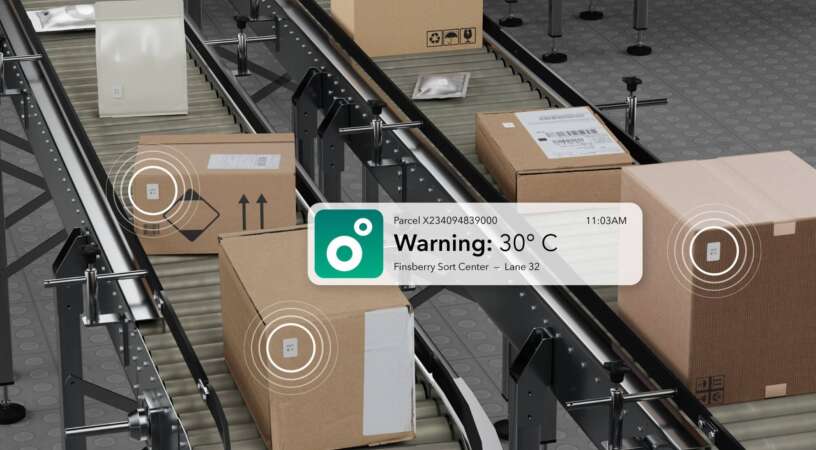
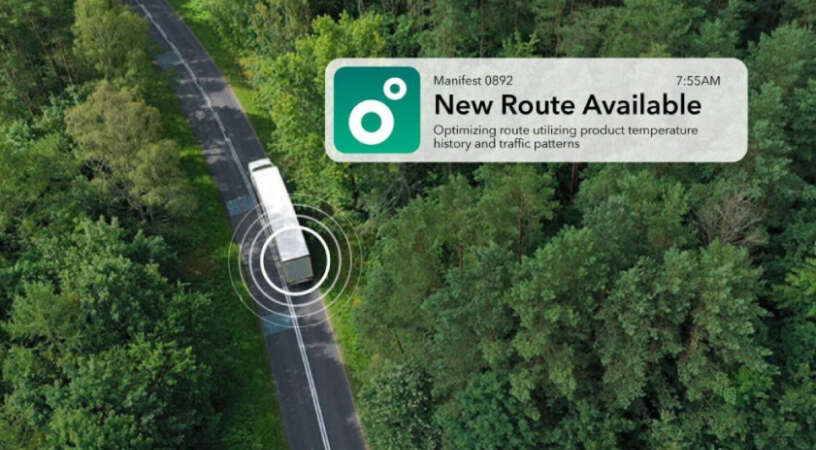
Wiliot’s IoT Pixels support condition and location monitoring, enabling companies to detect anomalies in dwell time, temperature, or asset movement. The system uses AI to generate proactive alerts by identifying temperature excursions, tracking lost inventory, and preventing cold chain failures. With case or asset-level visibility, companies can adopt a more precise FEFO (first-expired, first-out) approach, replacing outdated methods that rely on truck-level sensors or batch assumptions.
AI-Driven Supply Chain Analytics + Demand Forecasting & Sensing
Wiliot supports AI-driven supply chain analytics that surface insights across every node in the network—from warehouse to truck to shelf. The Intelligence Platform continuously feeds high-resolution movement and condition data into its models, allowing businesses to visualize product flows, detect inefficiencies, and improve forecasting accuracy beyond what traditional ERP systems can offer. This level of detail enables smarter inventory positioning, better allocation decisions, and more responsive planning across the supply chain.
How Wiliot’s AI Platform Stands Out
Wiliot’s AI-powered Intelligence Platform delivers distinct advantages over traditional supply chain management solutions and offers continuous visibility, automation, and real-time intelligence at scale.
Unlike legacy systems that rely on batch updates and periodic scans, Wiliot’s AI supply chain management software is built on a foundation of Ambient IoT. This enables a cloud-native AI pipeline that processes a constant stream of data, which dramatically improves accuracy and responsiveness across the supply chain. Continuous, automated scanning of assets eliminates the need for manual intervention and prevents the gaps and delays that come from traditional inventory checks.
Real-time data ensures inventory counts are always current and complete, helping businesses avoid costly errors and stock discrepancies. The platform also integrates seamlessly with existing ERP systems and supply chain software, allowing companies to enhance visibility without disrupting core operations.
Wiliot’s Intelligence Platform turns real-time sensing into real-time action, giving decision-makers the insights they need to optimize product flow, reduce waste, and improve operational efficiency across every part of the supply chain.
The Digital Twin Advantage: AI-Powered Visibility
A digital twin creates a virtual replica of the physical supply chain, enabling companies to simulate, analyze, and optimize operations with greater accuracy. Wiliot’s platform allows organizations to build an AI-powered digital twin that updates in real time, powered by data from IoT Pixels attached to individual items, cases, or pallets.
Unlike traditional systems that offer static or high-level insights, Wiliot’s Intelligence Platform delivers real-time digital twins that reflect the live movement and condition of every asset in the supply chain. From warehouse to delivery truck, the platform provides detailed visibility into location, temperature, and humidity, allowing companies to manage perishable goods, optimize inventory flow, and meet compliance requirements with confidence.
With AI-enabled supply chain visibility, Wiliot’s digital twin technology supports real-time alerts when items breach thresholds for dwell time, location, or temperature. This level of granularity gives businesses the insight needed to act immediately, and the end-to-end visibility needed for Digital Product Passports, and a powerful competitive advantage in today’s data-driven supply chain environment.
The Future of AI in Supply Chain Management
The convergence of AI logistics software and Ambient IoT is redefining how supply chains operate. With the rise of AI-driven supply chain platforms, companies can now access real-time, continuously updated inventory data, forming the foundation of what Wiliot calls Ambient Intelligence.
This new model enables supply chains to respond faster, reduce waste, and adapt more easily to shifting demand, supplier variability, and global market changes. By implementing AI-powered supply chain solutions, organizations unlock key benefits: automated documentation that delivers full visibility and control, real-time collaboration between suppliers, carriers, and retailers, and smarter forecasting that drives better asset utilization and service levels.
The Wiliot Intelligence Platform combines AI, IoT, and real-time sensing into a single solution that helps modern supply chains become more agile, efficient, and resilient. Wiliot delivers the visibility to make it happen whether your goal is to reduce waste, improve accuracy, or build a predictive logistics network.
Contact Wiliot to learn more about the Wiliot Intelligence Platform or to request a demo.
FAQ
How is AI transforming supply chain management?
AI is transforming supply chain management by providing decision-makers with real-time insights that enable them to optimize inventory movement and asset allocation. Organizations need the speed and accuracy of AI to effectively manage the tremendous amount of data available regarding modern supply chains. AI and Ambient IoT provide an innovative and efficient approach to managing complex supply chains.
What is the role of generative AI in supply chains?
Generative AI offers several key benefits for the supply chain, including automation to reduce operational costs, improved planning and forecasting accuracy, enhanced sustainability compliance, and increased agility to respond to changes in real-time. Tools built using generative AI will include intelligent and autonomous supply chain assistants, as well as self-learning systems that will evolve to keep pace with global trends.
How does Wiliot use AI and IoT together?
Wiliot integrates AI and IoT technology in the Wiliot Platform. The platform leverages Wiliot’s IoT Pixels to collect and send fine-grained data on items as they travel through the supply chain to the cloud, where it is analyzed by advanced AI and machine learning algorithms, providing powerful insights that allow companies to transform their supply chain one product at a time.
What are the benefits of AI-powered inventory management?
AI-powered inventory management enhances accuracy, leading to more precise forecasting, increased operational efficiency, and improved customer satisfaction. These benefits are made possible by AI’s ability to process large volumes of data in real-time, providing actionable insights that support effective supply chain management.
How can AI improve supply chain forecasting accuracy?
AI can improve supply chain forecasting accuracy by effectively analyzing the vast volumes of data generated by IoT-powered tracking and monitoring solutions. A combination of real-time and historical data provides an AI solution with the raw materials to create actionable insights that decision-makers can use to forecast demand and ensure adequate supply to meet customer needs.


%201.svg)

%201.svg)

%201.svg)
%201.svg)
.svg)


.svg)
.svg)

.svg)
.svg)

%20(1).jpg)

.avif)



.avif)





.webp)