RFID creates choke points at fixed read points. Our scan-free solutions provide continuous visibility with the lowest cost infrastructure, delivering real-time supply chain intelligence while minimizing errors, reducing waste, and driving ROI across enterprises.
Real-time inventory management is the process of immediately and accurately recording sales, purchases, and the movement of inventory items using cloud-connected software solutions. A real-time approach to inventory tracking and reporting provides organizations with enhanced visibility into stock levels and the location of items that can directly affect their ability to operate efficiently. Dynamic inventory tracking gives a company an edge over competitors with less responsive methods of supply chain management.
We are going to look at the details of real-time inventory management including implementation, challenges, and industry applications. We’ll also look at the benefits of a real-time inventory management system which include:
Enhancing the customer experience by providing the proper levels of in-demand products;
Improving accuracy by relying on effective technological solutions and eliminating potential human error;
Reducing costs by minimizing or eliminating manual inventory checks;
Empowering decision-makers with valuable insights into stock levels and inventory movement;
Avoiding lost sales by decreasing out-of-stock situations.
Implementing an effective real-time inventory management system requires a solution that leverages the functionality and capabilities of multiple technologies.
Inventory tracking and management system
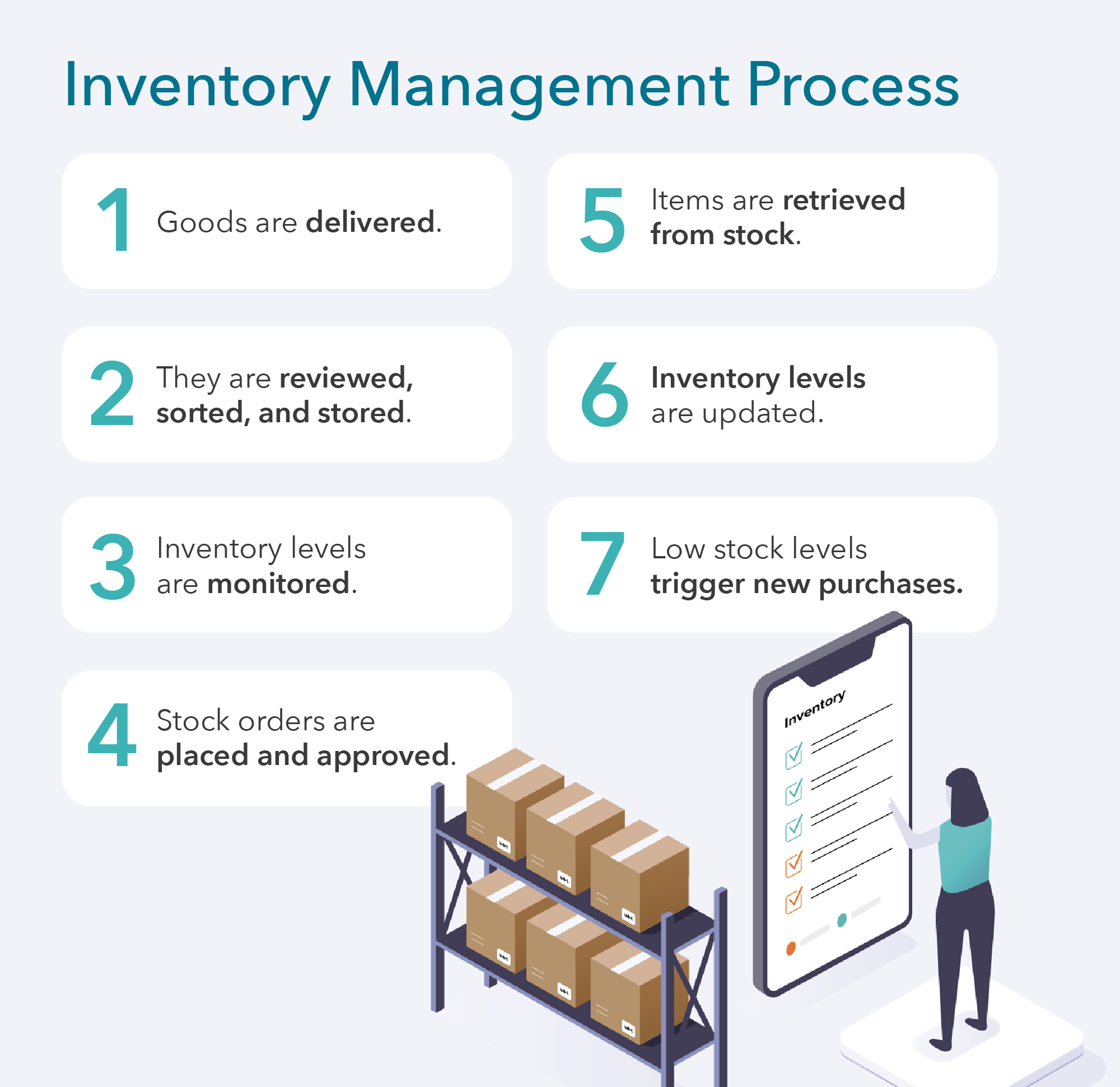
The foundation of a real-time inventory management initiative is its inventory tracking system. This system needs to be integrated with all sales channels including online platforms such as Warehouse Management (WMS), Supply Chain Management (SCM), Inventory Control Towers, and point-of-sale (POS) tracking solutions. Ideally, real-time data is generated every time an inventory element changes status by being received, moved, purchased or returned by a consumer.
The use of cloud-based inventory tracking and management systems provides organizations with enhanced flexibility and functionality. Cloud systems are accessible from anywhere with an internet connection, enabling tracking systems to provide updates from any location. Typically, cloud systems can be accessed from a wide variety of devices, making it easy for operational staff and decision-makers to access inventory information.
Tracking inventory items
Inventory items must be dynamically and accurately tracked. This data is used as raw material for the tracking system. Different methods and processes can be used to perform the necessary item tracking and initiate updates to the tracking software.
Each item can have a 1D barcode such as GS1-128 read by a laser scanner, a 2D QR Code read by an optical scanner or a UHF RFID tag that can be read by a handheld or tunnel scanner. This typically involves manual scanning or making sure all inventory is routed via a choke point where the scanner has been deployed . These types of legacy technology solutions can be an obstacle to accuracy and operational efficiency, provide limited visibility between the scans, and can add significant costs in labor and equipment.
Internet of Things (IoT) technology offers a more effective technique for tracking inventory items. IoT sensors or tags such as Wiliot’s IoT Pixels eliminate manual scanning that can introduce inaccuracies and lead to erroneous information that hinders efficient inventory management. These small IoT devices communicate with Bluetooth-enabled devices to accurately track the movement of individual inventory items. The real-time stream of data broadcast by an IoT Pixel is more conducive to integration with artificial intelligence (AI) systems that can continuously monitor the inventory as items move, accommodating any momentary obstruction or interference in the stream of data in order to deliver much higher visibility levels.
Sales channel and supply chain integration
The inventory management system and tracking solutions need to be integrated with all existing sales channels. The system needs to be updated whenever a sale occurs or an item changes location in the supply chain. Inventory levels are then automatically adjusted across all channels simultaneously in real-time.
Advanced inventory management implementations integrate with an organization’s suppliers’ and distributors’ supply chain management systems. Coordinating communication between these systems optimizes inventory levels throughout the supply chain, reduces carrying costs, and ensures customer satisfaction and higher sales by eliminating empty shelves.
Data analysis and notification
Comprehensive inventory management systems provide data analysis functionality that helps turn data collection and processing into actionable insights to streamline the supply chain and store operations. Information from the system can be used to accurately track market trends and forecast consumer demand.
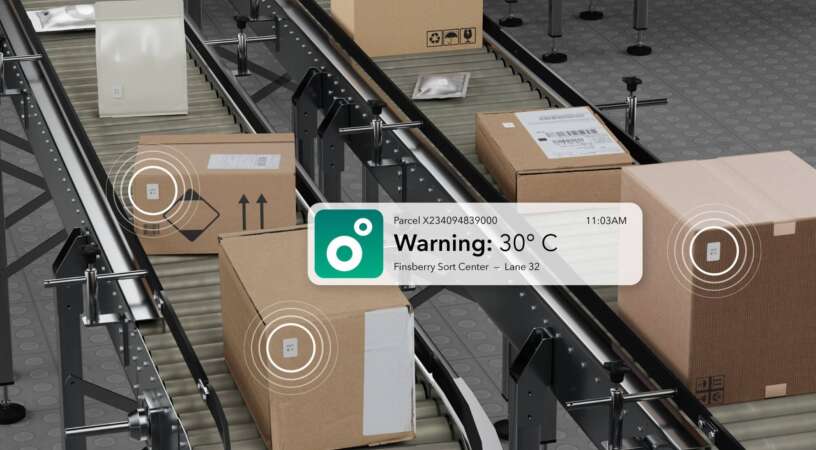
Companies leveraging real-time visibility solutions like Wiliot benefit from notifications and alerts built into the system to ensure the appropriate measures are taken to address inventory levels that approach designated thresholds. Businesses can prevent out-of-stock situations, reduce over ordering, and furnish a more satisfactory customer experience by reacting to low stock events, as they happen.
Benefits of Real-Time Inventory Management
Real-time inventory management provides organizations with multiple benefits that can promote sales and give them an edge in today’s competitive business landscape.
Improved inventory accuracy
Real-time management offers organizations improved accuracy when evaluating inventory levels and the need to optimize supply chain components. A real-time IoT-based inventory management solution further improves accuracy over legacy tracking methods by eliminating the possibility of human error introduced by manual scanning, and providing a dynamic inventory view that is updated in real-time, as opposed to the errors that can result from limited snapshots.
Enhanced operational efficiency
Operational efficiency can be enhanced in multiple ways by the availability of real-time inventory data. Less time and effort is spent checking between the front and back of the house since an item’s specific location is known at all times. When merchandise is misplaced, or redirected to a different area due to overstock, it can be found quickly. Since product quantities in each location are seen in real-time, items can be replenished before a shortage impacts operations or the ability to serve customers.
Better decision-making
Companies can make better decisions when provided with real-time inventory. Understanding and addressing customer trends promptly enables a company to meet demand and attract new business. Reacting quickly as product moves, rather than relying on delayed inventory reports, gives a company a competitive advantage.
Sales Volume
On Shelf Availability (OSA) is the science of making sure the right products are always in stock and on shelf. Customers who are disappointed by not being able to find the products they want in-store will spend less.This also impacts the experience and sales potential of online orders, or commonly known as “BOPIS”, buy online and pick up in stores. This can be measured in Same Store Sales (SSS) which will quantify the changes in sales in a given store over time. This can be used to detect a variety of issues including OSA and will highlight trends across regions as well as time periods.
Superior customer satisfaction
Today’s competitive market has put additional emphasis on providing superior customer satisfaction. Consumers typically can select between multiple businesses when making purchasing decisions. Failure to meet customer expectations can negatively impact loyalty, drive away existing customers indefinitely, and make it difficult to attract new business. The value of this can be captured using a Customer Lifetime Value (CLV) metric which quantifies the spend a customer might invest depending on the number of months they remain loyal to the retailer.
Reacting dynamically to stock levels and demand across all sales channels so customers always find or receive the product they desire;
Maintaining inventory counts in warehouses and distribution centers so products are delivered faster to retailers and customers.
Challenges and Solutions for Real-Time Inventory Management
Organizations planning to implement a real-time inventory management system will typically be faced with several challenges. Finding appropriate solutions to these challenges will greatly influence the success or failure of the initiative.
Challenges for real-time inventory management
Following are some of the challenges companies can expect to encounter when introducing a real-time inventory management system.
Integration with existing sales channels, online platforms, and supply chain components can be a complex and time-consuming endeavor. System accuracy relies on effective communication between all subsystems.
Obtaining accurate and reliable data is essential to inventory management. Inaccurate data can lead to empty shelves and disappointed consumers.
Companies need to maintain the technology infrastructure required by the inventory management solution.
Security may be a concern based on the type of data stored in the system. If sensitive information is involved, measures need to be taken to prevent unauthorized access and protect it from cyberattacks.
Employees must be trained to use the system effectively. Incomplete or lack of training can lead to inaccurate use of available inventory information.
Coordinating real-time inventory management with supply chain partners can present a challenge for maximizing the value of the system.
There may be substantial initial and ongoing costs to develop, implement, and maintain a real-time inventory management system. Businesses need to evaluate how these costs align with system benefits.
Solutions for real-time inventory management
The following solutions are appropriate for addressing some of the challenges faced with real-time inventory management.
Automated data capture using advanced techniques such as IoT devices improves accuracy and minimizes errors, reducing inventory discrepancies that affect customer satisfaction.
Cloud-based solutions eliminate the need for companies to maintain on-premises infrastructure to support the inventory system.
Provide the necessary training so all employees involved with the system understand how to use it in their business role.
Ensure data transmission is protected with measures such as encryption to protect it from being compromised or misused.
Introduce data quality checks and regular audits to ensure the information provided by the system is reliable and accurate.
Invest in integration platforms and collaborative tools that enable the system to be incorporated into all sales channels and solutions of supply chain partners.
Case Studies and Statistics
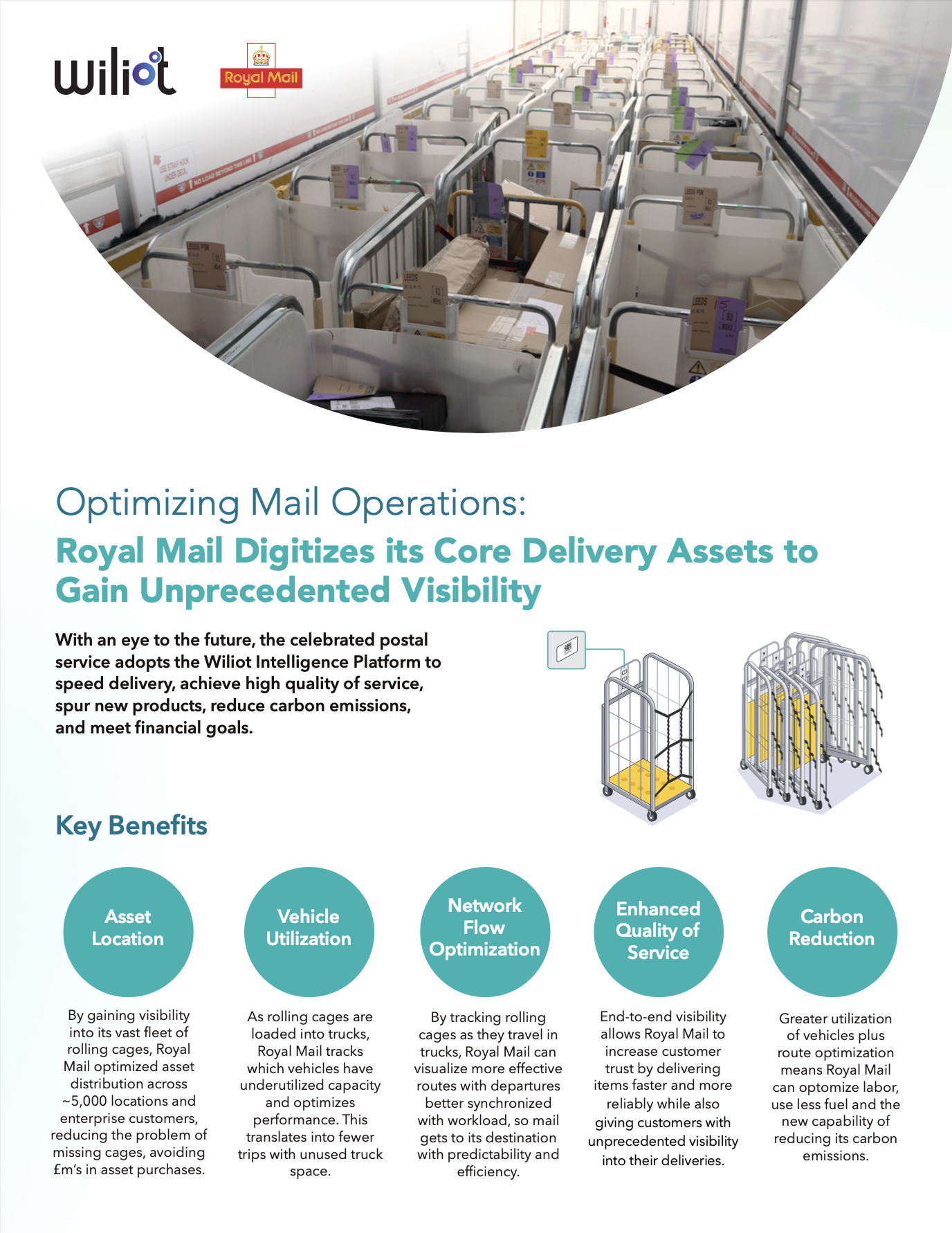
The following case study highlights some of the benefits of real-time IoT inventory management. The study reviews the experience of a retail pharmacy company that implemented an inventory management system based on Wiliot technology. Supply chain and in store operation inefficiencies were affecting the business, resulting in substantial financial losses. The use of an IoT inventory management solution enabled the company to reduce losses, identify quality control issues that impact product safety, and improve the retail experience for enhanced customer satisfaction.
The online retailer examined in the study had the challenge of reducing the number of packages that do not reach the customer on time. Approximately 3% of packages were impacted by loss, damage, or delays and could not be delivered on schedule. Each package costs the retailer six times the value of the package to rectify.
After implementing this real-time inventory system, the retailer achieved visibility into over 80% of missing packages. Wiliot’s unique visibility approach identified problems between scan points and alerted staff so prompt action could be taken to resolve the issue. The company enjoyed a 60% decrease in missing packages and saved over $58 million in missing package value.
Implementing Real-Time Inventory in Your Business
Organizations should adopt a methodical approach to implementing real-time inventory management that involves the following steps.
Assess existing inventory management and tracking processes to identify potential challenges and areas that need improvement.
Define the distinct objectives for the system and how it will impact your business.
Select an inventory management system that meets business objectives and supports real-time tracking. Consider factors such as integration, cost, and scalability when making a decision.
Integrate the system with sales channels and supply chain partners. Verify communication and data transfers to ensure the system receives real-time updates whenever inventory moves.
Migrate existing inventory data to the new system and ensure all information is accurately replicated.
Train employees thoroughly on the new system. Everyone should understand the benefits of the system and how it impacts their job.
Conduct testing to identify any issues that need to be addressed before rollout and make necessary modifications.
Roll out the new inventory management system. Closely monitor the implementation and offer user support where needed.
Continuously monitor and optimize the system by tracking key performance indicators (KPIs) such as inventory accuracy, customer satisfaction, and stock shortages.
Industry Applications
Many industries in diverse market sectors can benefit from implementing a real-time inventory management system. Following are some examples.
Retail establishments - Retail stores can ensure the appropriate orders are sent from suppliers to keep shelves stocked and customers satisfied.
Grocery stores - Grocery stores need to maintain product availability and can also significantly reduce waste by modifying orders of perishable products based on real-time inventory data.
Quick-service restaurants (QSRs) - QSRs need to ensure that inventory is available to quickly meet customer demands. The abundant choices available to consumers make it imperative that expectations are met to avoid losing business to competitors.
Food processors - Food processors are especially prone to problems caused by material inventory shortages. The ability to track in real-time enables efficient production that maximizes operations.
Healthcare facilities - Real-time data on inventory at healthcare facilities can improve patient outcomes and experiences. Providers can ensure that they have the necessary medicines and medical devices available for their patients.
IoT inventory management tracking systems can be adapted to address a wide range of operational settings including:
Communicating with cloud systems to provide real-time information as inventory items move through the supply chain;
Streamlining warehouse management by eliminating time-consuming manual processes and offering precise information regarding the location of inventory items;
Ensuring distributor networks have sufficient information to address its customers' inventory requirements.
FAQs
Why do IoT systems provide greater functionality than traditional inventory management methods?
IoT systems provide greater functionality than traditional inventory management methods for several reasons. They typically communicate with cloud-based systems, eliminating the need to maintain dedicated hardware in-store. The continuous stream of location data allows AI algorithms to deliver a higher percentage of visibility than raw and intermittent scans using barcodes and RFID. The IoT devices deployed can continuously transmit data so the location can be tracked without requiring error-prone and time-consuming manual scanning. IoT systems can integrate with low-cost Bluetooth-enabled mobile devices for reading rather than expensive scanners.
Are the benefits of an IoT inventory management system worth the costs?
The benefits of an IoT inventory management system are worth the cost in multiple ways. Companies can improve sales and customer satisfaction to maintain consumer loyalty which is pivotal in today’s competitive business world. Savings from reduced losses or misplaced inventory typically offset the costs of implementing the system. The operational efficiency provided by the system can translate to increased profits and reduced costs for manpower and resources.
Why are Wiliot’s IoT Pixels an excellent solution for any IoT inventory management system?
The flexibility of Wiliot’s IoT Pixels makes them great for any business looking to implement an IoT inventory management system. The postage-stamp size of the device allows it to be affixed to or integrated with virtually any product or container. The devices communicate with the Wiliot Cloud to provide real-time visibility into inventory throughout the supply chain.


%201.svg)

%201.svg)

%201.svg)
%201.svg)
.svg)


.svg)
.svg)

.svg)
.svg)

%20(1).jpg)

.avif)



.avif)





.webp)