Achieve Seamless Real-Time Tracking and Management
Discover how Wiliot’s IoT Pixels provide the real-time tracking you need for effective inventory visibility.
What is Inventory Visibility?
Inventory visibility is the ability of a company to track and monitor the location, quantity, status, and movement of inventory in real-time. Inventory visibility can provide insights into the status of outstanding orders, the precise location of items in a fulfillment center or warehouse, and how many units of a specific commodity are currently available. Real-time inventory visibility enables companies to see where their products are located so they can effectively route and replenish stock that is running low to avoid missed sales.
The Importance of Inventory Visibility
The importance of inventory visibility has never been greater as organizations struggle to address the difficulties of meeting customer expectations in today’s landscape of omnichannel retailers. Consumers are purchasing products with greater frequency and through multiple outlets, presenting the possibility of substantial lost sales if items are not in the right place at the right time. Companies can gain a substantial competitive advantage through the insights obtained with reliable inventory data.
IoT Bluetooth beacons provide real-time, unit-level visibility into products throughout each stage of the supply chain, without needing to manually scan inventory. The ability to track inventory provides organizations with essential information that allows them to deliver an enhanced customer experience. Implementing IoT Bluetooth beacons offers businesses a proactive and efficient method of supply chain management.
We are going to discuss IoT Bluetooth beacon technology and its role in promoting real-time inventory visibility. We’ll look at the challenges addressed by IoT Bluetooth beacons, different classes of Bluetooth beacons, implementing the technology, and integrating the solution with other technologies to improve customer satisfaction and increase sales.
What Are IoT Bluetooth Beacons?
IoT Bluetooth beacons are small radio transmitters that are often powered by batteries. The beacons are designed to mark a location or a specific point of interest. Beacons use Bluetooth-enabled radios that continuously transmit identity (ID) and, in some models, sensor data to a receiving application running on a Bluetooth-enabled mobile device or an access point.
The application processes the received data and may also evaluate signal characteristics. Cross-referencing the beacon’s ID with a digital map enables the application to determine the device’s location. An action or activity may be initiated based on the device’s location and the received sensor data. Most beacons only send information and are not receivers.
How do IoT Bluetooth beacons work?
Bluetooth beacons rely on the capabilities of Bluetooth Low Energy radio technology to communicate with receiving applications. The following characteristics make Bluetooth Low Energy radios an excellent fit for beacons. This protocol is designed to operate with very low power consumption and supports multiple communication topologies. Bluetooth Low Energy enables data to be transmitted over 40 channels in the 2.4GHz unlicensed ISM frequency band, providing developers with great flexibility to address specific market requirements. Beacons using this protocol can have a data transmission range of up to 100 meters.
What are the different types of Bluetooth beacons?
Bluetooth beacon is the term used to describe stationary devices, mounted on walls or objects that do not move, and are typically used to facilitate indoor navigation information to individuals. Beacons may also be deployed to provide information to shoppers in a retail environment. The beacons are available in a wide range of form factors to address various indoor and outdoor usage scenarios.
The term Bluetooth tag describes Bluetooth transmitters that are attached to or embedded in a moveable item. Bluetooth tags attached to supply chain items can track inventory and provide visibility by passively communicating with dedicated applications. We will use the term beacon throughout this article with the understanding that when discussing moveable beacons, they can also be called tags.
Bluetooth beacons can be categorized according to the power source they utilize.
Battery-powered Bluetooth beacons - The majority of standard Bluetooth beacons are powered by replaceable batteries, but in some cases are powered by USB or other external sources. These devices can be expensive and require periodic maintenance to change batteries. Battery failures can impact the viability of a network built on standard Bluetooth beacons.
Battery-free Bluetooth tags - Advanced, battery-free Bluetooth beacons harvest energy from ambient radio waves. Wiliot IoT Pixels are cost-effective Bluetooth tags that can be placed on individual products and never require battery replacement. The combination of the IoT Pixel’s small size, flexibility, and energy efficiency make them an excellent method of providing unit-level supply chain visibility on larger volume, lower value items as compared to standard Bluetooth beacons. Other brands of Bluetooth tags can be battery-powered as well, with varying battery life based on usage (weeks to months) or in some cases rechargeable.
The Benefits of IoT Bluetooth Tags in Inventory Visibility
Bluetooth tags offer companies an effective solution for providing real-time inventory visibility across all their sales channels. Following are some of the specific benefits of implementing battery-free Bluetooth tags for enhanced supply chain visibility.
- Improved real-time data collection and accuracy are provided as inventory counts and updates dynamically rather than relying on periodic physical checks.
- Distributors and retail establishments can be alerted when running low on particular items so they can be restocked to avoid inadequate stock levels that negatively affect customer satisfaction.
- Manufacturers and producers can verify that goods are delivered to the correct locations to meet customer demands, or be alerted when they have not.
Bluetooth tags offer advantages over traditional inventory tracking systems that include:
- Providing passively visibility into inventory quantities and locations, eliminating the need to manually scan items with mobile devices or RFID-style portals;
- Maintaining visibility as products move through the supply chain using cloud-based applications like the Wiliot Cloud.
Challenges Addressed by Bluetooth Beacon Technology
Bluetooth beacon technology directly addresses several challenges facing companies attempting to accurately track inventory.
- Bluetooth beacons remove labor-intensive processes and expensive infrastructures required by manual scanning or RFID systems. They can substantially reduce costs and minimize the need for human interaction in inventory management.
- Deploying Bluetooth beacons enhances data reliability by reducing human error and oversights possible with manual inventory management solutions.
- Real-time insights can be provided in real-time for each stage in the supply chain rather than relying on a one daily count in a store or distribution center.
Implementing Bluetooth Beacons for Inventory Management
Companies wishing to take advantage of the benefits of deploying Bluetooth beacons need to take a methodical approach. Following is an overview of the steps necessary to implement Bluetooth beacon technology in inventory systems.
- Define your requirements and the objectives of the beacon deployment. Factors to consider include the types of items that will be tracked-pallets, cases, items- and the level of detail desired.
- Select the correct type of beacon to meet your objectives. Consideration needs to be given to asset or product cost, required data insights, battery life, durability, transmission range, and compatibility with current systems.
- Deploy the beacons according to your business objectives. Flexible Bluetooth tags often provide the most flexibility when selecting installation criteria, and data granularity.
- Integrate the beacons with a Bluetooth-enabled connectivity network to communicate and collect data from the devices.
- Integrate the collected data with inventory management systems to provide insights that promote business objectives.
- Integrate tracking software to provide real-time information on inventory items as they travel through the supply chain.
- Perform maintenance and monitoring activities to ensure the system is operating at peak efficiency.
- Provide training for staff members on how to use the Bluetooth beacon system and the information it provides.
Best practices for deployment and maintenance
The following best practices help ensure the effective use and operation of Bluetooth beacons in inventory management.
- Perform regular maintenance of the beacon infrastructure to provide optimal performance and reliability. This may entail checking the physical condition of the beacons and proactively changing batteries for battery-powered devices (when applicable) to avoid downtime. Install all firmware updates as they become available to address vulnerabilities or improve stability.
- Implement security measures such as encryption and authentication to prevent unauthorized access and protect data resources.
- Deploy a device monitoring solution to identify issues with the Bluetooth network in real time. Procedures should be in place to proactively address issues before they affect the system’s operation.
- Select a scalable solution that can address growth or changing business requirements. Look for systems that easily scale up and can integrate with additional beacons.
- Train the personnel responsible for the maintenance and management of the beacon infrastructure so they understand their role in maintaining a viable system.
Case Studies and Statistics
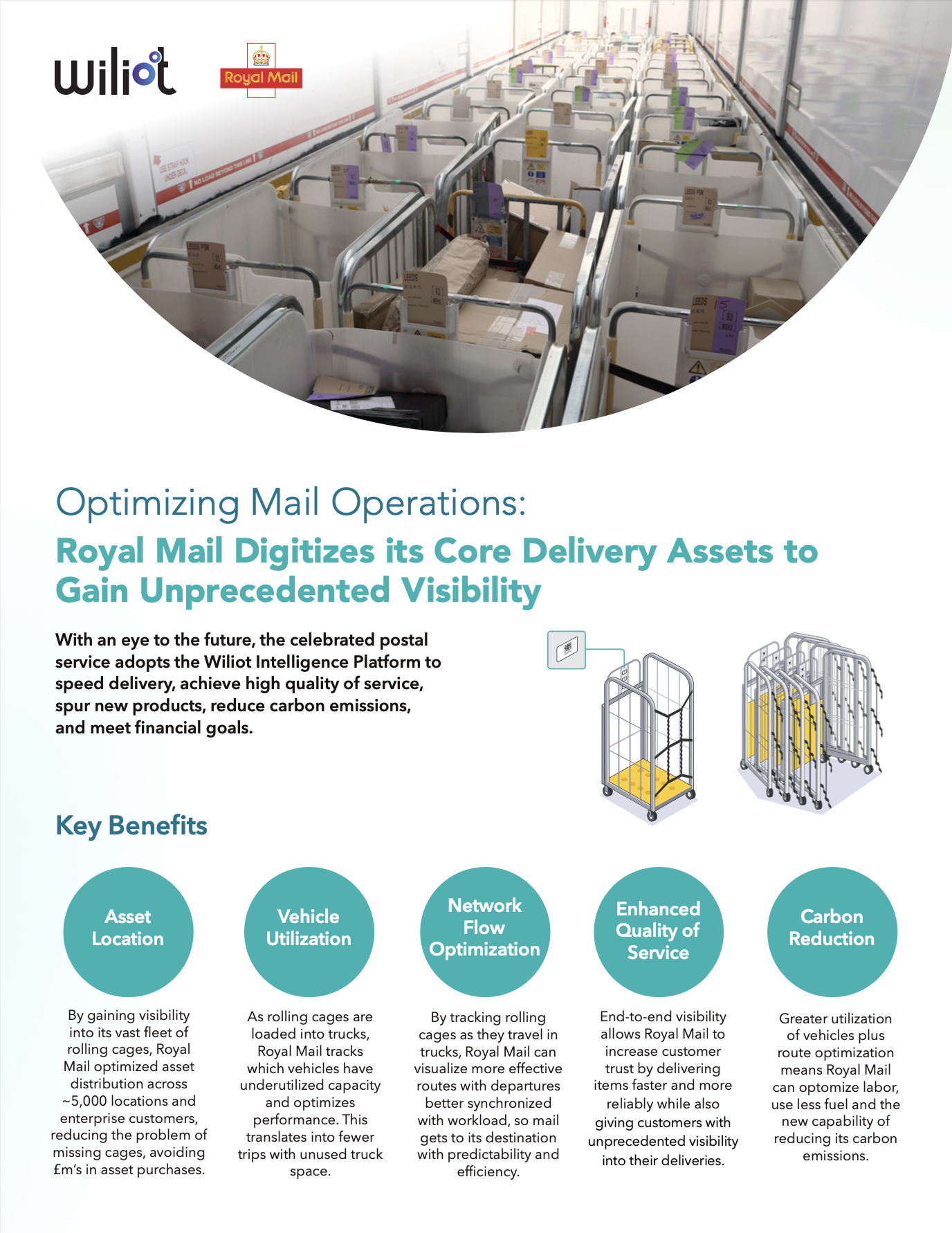
We invite readers to review this instructive case study that illustrates the benefits of deploying Bluetooth tags, Wiliot IoT Pixels, to enhance inventory visibility. The study looks at how a leading pharmaceutical retailer identified supply chain inefficiencies that impacted their business. Addressing these inefficiencies enabled the company to ensure timely delivery and on shelf availability, maintain product quality, and comply with all safety and regulatory requirements.
The following statistics demonstrate the benefits of implementing Wiliot IoT Pixels in the post and parcel industry.
- Missing roll cages cost the postal service over $3 million per year with each lost case costing $300 to replace. Factoring in the price of implementing Wiliot IoT Pixels, the service saved $2.7 million by reducing the number of lost cages by 90%.
- Implementing Wiliot IoT Pixels to address missing packages and roll cages produced significant results and cost savings. The cost of missing packages and roll cages was reduced from $108 million to $66 million for a savings of 60%.
Integrating IoT Bluetooth Beacons with Other Technologies
IoT Bluetooth beacons can be integrated with other existing systems or emerging technologies to provide companies with additional benefits and competitive advantages. Following are some examples of how the inventory data available from Bluetooth beacons can be used effectively to meet business objectives.
- Data can be consolidated from across the supply chains and used as input into enterprise resource planning (ERP) and inventory management systems to accurately update counts passively. This information provides crucial insights for managing and planning stock levels and deliveries to ensure customer demands are always met.
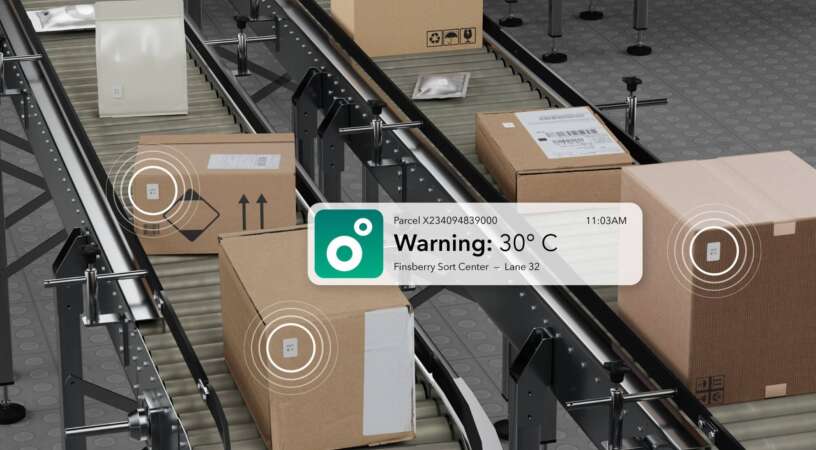
- The combination of cloud computing, artificial intelligence (AI), and improved beacon capabilities will enable the collection of more detailed information about items in the supply chain as well as proactive ways to get ahead of problems based on observed trends. Advanced beacons will be capable of sensing location, temperature, humidity, and subjective characteristics such as food freshness.
Future Trends in Bluetooth Beacon Technology
Innovations in Bluetooth beacon technology promise to further enhance its utility in providing real-time inventory visibility. The following trends will influence the ways the technology can be used and increase its customer base.
- Integration with 5G and WiFi networks - Beacons will integrate with the cellular infrastructure of 5G networks to facilitate updating and maintaining devices remotely. WiFi integration enables a highly accurate location system employing both technologies.
- Longer range and energy efficiency - Long-range beacons will allow beacons to be used in larger areas with less reading infrastructure. Energy efficiency will be provided through lower-power Bluetooth protocols and evolving battery technology. Wiliot’s IoT Pixels using radio waves for power and other manufacturer’s solar-powered beacons dramatically minimize energy consumption.
- Enhanced accuracy and security - Advancements in beacon technology will enable better location tracking through the use of advanced algorithms and signal processing techniques. Security will be improved by employing advanced encryption and authentication methods to prevent unauthorized access.
The market for Bluetooth beacon technology has experienced tremendous growth in the past decade. As more companies realize their benefits in providing enhanced inventory visibility, this growth should continue. Early adopters of Bluetooth beacon technology for inventory visibility and management will enjoy competitive advantages that cannot be ignored by rival organizations. They will have to adopt the technology themselves or lose market share to more efficiently run companies that regularly meet customer expectations.
IoT Bluetooth beacons offer substantial benefits over traditional methods of inventory management. The advantages include providing real-time inventory levels that enable companies to effectively address and avoid potential shortages that affect customer satisfaction. The accuracy and end-to-end visibility possible with a Bluetooth beacon implementation far exceed that of traditional methods involving RFID systems and manual scanning.
Today’s ultra-competitive market requires companies to take every opportunity to differentiate themselves from their rivals. Bluetooth beacons allow companies to understand and derive insights across all sales channels to address customer concerns and always have inventory on hand to handle market demands. Companies wishing to thrive in the current business landscape should investigate the benefits of adopting Bluetooth beacon technology.
Integrating IoT Bluetooth beacons into your company’s existing inventory system provides supply chain visibility to optimize your business. An IoT Bluetooth beacon solution gives your company a competitive edge by allowing you to successfully meet customer demands and offer a satisfying purchasing experience.
Check out Wiliot’s IoT Pixel solution which employs small, flexible Bluetooth tags that can be incorporated into or attached to virtually any product or item for real-time inventory visibility.
FAQ Section
How do Bluetooth beacons improve inventory visibility?
Bluetooth beacons improve inventory visibility by providing real-time location data on items as they travel through the supply chain. A Bluetooth beacon transmits the same data in continuous intervals. Shorter time intervals enable quicker detection of a beacon but reduce its battery life.Companies can obtain real-time insights to ensure shelves are never empty and customer demands are always met. This level of visibility is not possible using traditional inventory tracking techniques.
What data does a Bluetooth beacon transmit?
The transmitted data includes a unique identifier used to track the device’s location. Additional information such as temperature and humidity may be provided by sensors integrated into the beacon.
Why are cloud-based applications important for optimizing Bluetooth beacon utilization?
Cloud-based applications are important for optimizing Bluetooth beacon utilization to facilitate the end-to-end inventory visibility the devices can provide. The devices transmit data to Bluetooth-enabled fixed or mobile devices which then communicate with cloud applications to enable customers with insights into inventory movement from anywhere.


%201.svg)

%201.svg)

%201.svg)
%201.svg)
.svg)


.svg)
.svg)

.svg)
.svg)

%20(1).jpg)

.avif)



.avif)





.webp)